
Food Science, Nutrition & Dietetics
B.Sc. Food Science, Nutrition & Dietetics — A world where all people thrive through the transformative power of food and nutrition
Introduction
The Department of B.Sc. Food Science, Nutrition and Dietetics is an interdisciplinary academic unit that integrates the scientific principles of food, human nutrition, health, and diet therapy. The primary aim of the department is to impart comprehensive knowledge about food composition, food safety, nutritional requirements, and the role of diet in maintaining health and preventing diseases.
With the increasing global focus on health, wellness, and sustainable food systems, this discipline has emerged as a vital area of study in both academic and professional domains. It is designed to provide students with a strong foundation in food microbiology, human physiology, and human nutrition, along with specialized knowledge in nutrition science and dietetics. The curriculum typically includes subjects such as food microbiology, human nutrition, therapeutic nutrition, community nutrition, food safety and quality control, and food processing. In addition, practical exposure through laboratory work, internships, clinical postings, and field visits enables them to bridge the gap between theoretical knowledge and real-world applications.
One of the key objectives of the department is to develop competent professionals who can address nutritional challenges at individual, community, and global levels. Students are trained to understand the nutritional needs of different population groups, including infants, adults, athletes, and the elderly. They also learn to plan balanced diets, assess nutritional status, and provide dietary counselling for the prevention and management of diseases such as diabetes, obesity, cardiovascular disorders, and malnutrition.
The department also emphasizes the importance of food safety and quality assurance. With the growing demand for processed and packaged foods, ensuring food quality and safety has become crucial. Students learn food analysis, quality control techniques, and regulatory standards, preparing them for roles in food industries and regulatory bodies. The integration of food science with nutrition enables students to understand the entire food chain — from production and processing to consumption and health outcomes.
Research and innovation form an integral part of the department. Students are encouraged to undertake research projects in areas such as functional foods, nutraceuticals, food fortification, and public health nutrition. The department also promotes awareness of emerging trends such as personalized nutrition, and the use of technology in dietary assessment and health monitoring. These advancements highlight the dynamic nature of the field and its relevance in addressing contemporary health issues.
In addition to academic excellence, the department focuses on developing essential skills such as communication, critical thinking, problem-solving, and teamwork. Students are trained to work in multidisciplinary environments and to communicate effectively with patients, clients, and communities. Extension activities, seminars, and community outreach programs are conducted regularly to enhance students' practical knowledge and social responsibility.
Graduates of this program have diverse career opportunities in various sectors. They can work as clinical dietitians in hospitals, nutritionists in wellness centers, food quality analysts in the food industry, public health nutritionists in government and non-government organizations, and researchers in academic and industrial settings. The program also provides a strong foundation for higher education, including postgraduate studies and research in specialized areas of food and nutrition.
Future Scope: The future scope of Food Science, Nutrition and Dietetics is due to the increasing awareness of health and nutrition among people worldwide. The rising prevalence of lifestyle diseases such as obesity, diabetes, and hypertension has led to a growing demand for qualified nutrition professionals. As a result, the field offers vast career opportunities in healthcare, food industry, research, and entrepreneurship.
One of the major areas of growth is clinical nutrition. Hospitals and healthcare institutions require skilled dietitians to manage patients' dietary needs and support medical treatments. Clinical dietitians play a crucial role in improving patient outcomes through personalized diet plans and nutritional interventions. Similarly, the demand for sports nutritionists is increasing as fitness enthusiasts seek specialized dietary guidance to enhance performance and recovery.
Public health nutrition is another important area with significant scope. Governments and international organizations are focusing on improving nutritional status and reducing malnutrition through various programs and policies. Furthermore, the global relevance of nutrition in achieving sustainable development goals highlights the importance of this field. Nutrition is closely linked to health, food security, and overall well-being, making it a critical component of sustainable development.
Higher education and research also provide excellent career prospects. Graduates can pursue postgraduate studies, doctoral research, and academic careers, contributing to scientific advancements and knowledge dissemination. Specializations such as clinical nutrition, public health nutrition, and food technology offer opportunities for in-depth study and professional growth.
The food industry also offers numerous opportunities for graduates. With the expansion of the food processing sector, there is a growing need for professionals in food quality control, product development, and research and development. Food scientists work on developing new food products, improving existing ones, and ensuring compliance with safety standards. Emerging fields such as nutraceuticals, functional foods, and personalized nutrition are expected to shape the future of this discipline. Advances in technology have enabled the development of customized diet plans based on individual genetic profiles and health conditions. This has opened new avenues for research and innovation in nutrition science.
The course provides students with opportunities for:
- Higher Studies
- Employment
- Entrepreneurship
Vision & Mission
A world where all people thrive through the transformative power of food and nutrition.
Advancing the standards of profession of food science, nutrition and dietetics through research, education and advocacy and contribute to the wellbeing and productivity of the nation.
Prospectus
Explore detailed guidelines, degree requirements, learning outcomes, and career pathways for the B.B.A. programme.
Faculty Profiles
Dedicated mentors and food science specialists guiding academic and research excellence.

Dr. M. Onix Tryphosa

Ms. Glory Joanne Manne*

Dr. V. Krupa Satyavedam*

Ms. G. Sheeba

Ms. D. Krushitha
Department Overview Video
Take a virtual tour of our classrooms, business labs, and student activity spaces.
Consolidated Scheme & Syllabus
View or download the official credit distribution scheme and complete semester-wise course syllabus documents.
Department Gallery
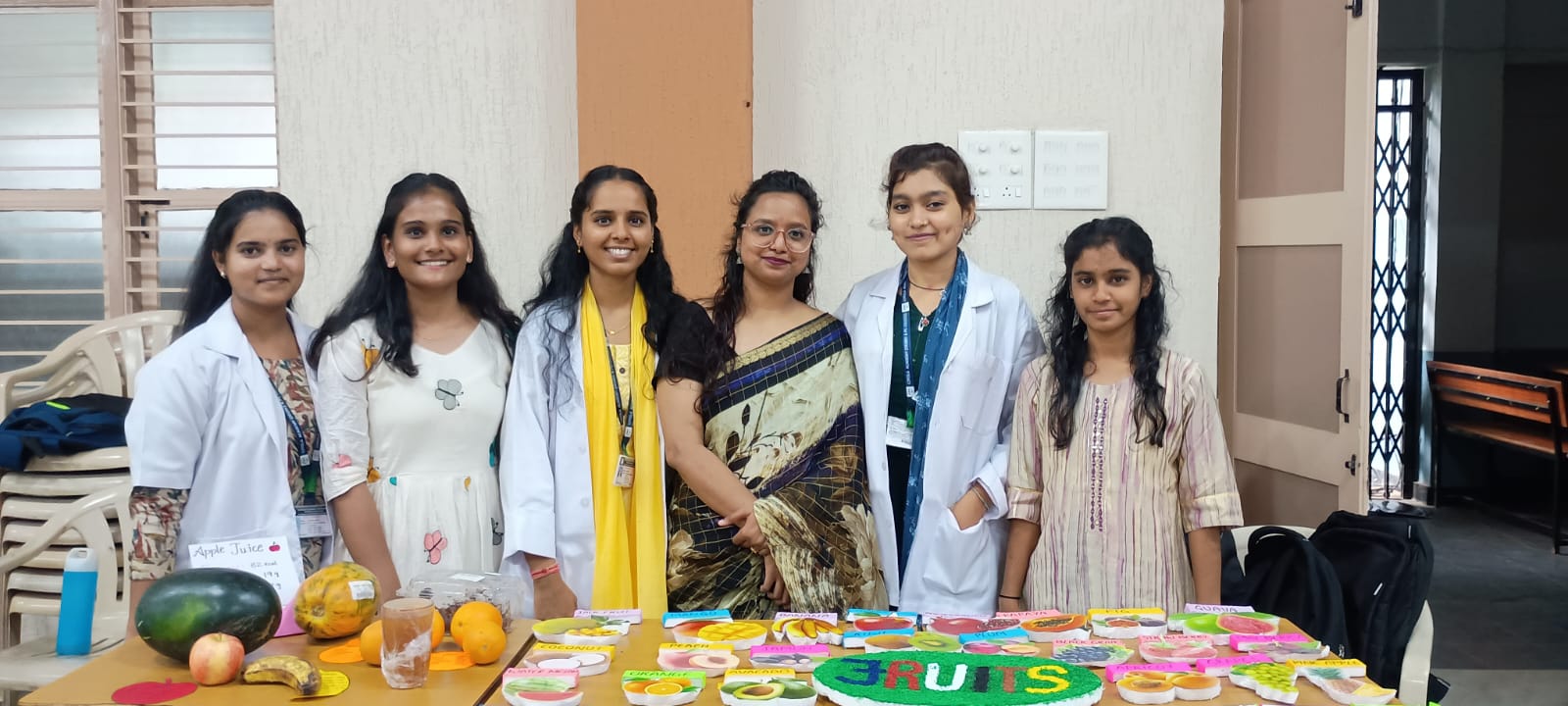
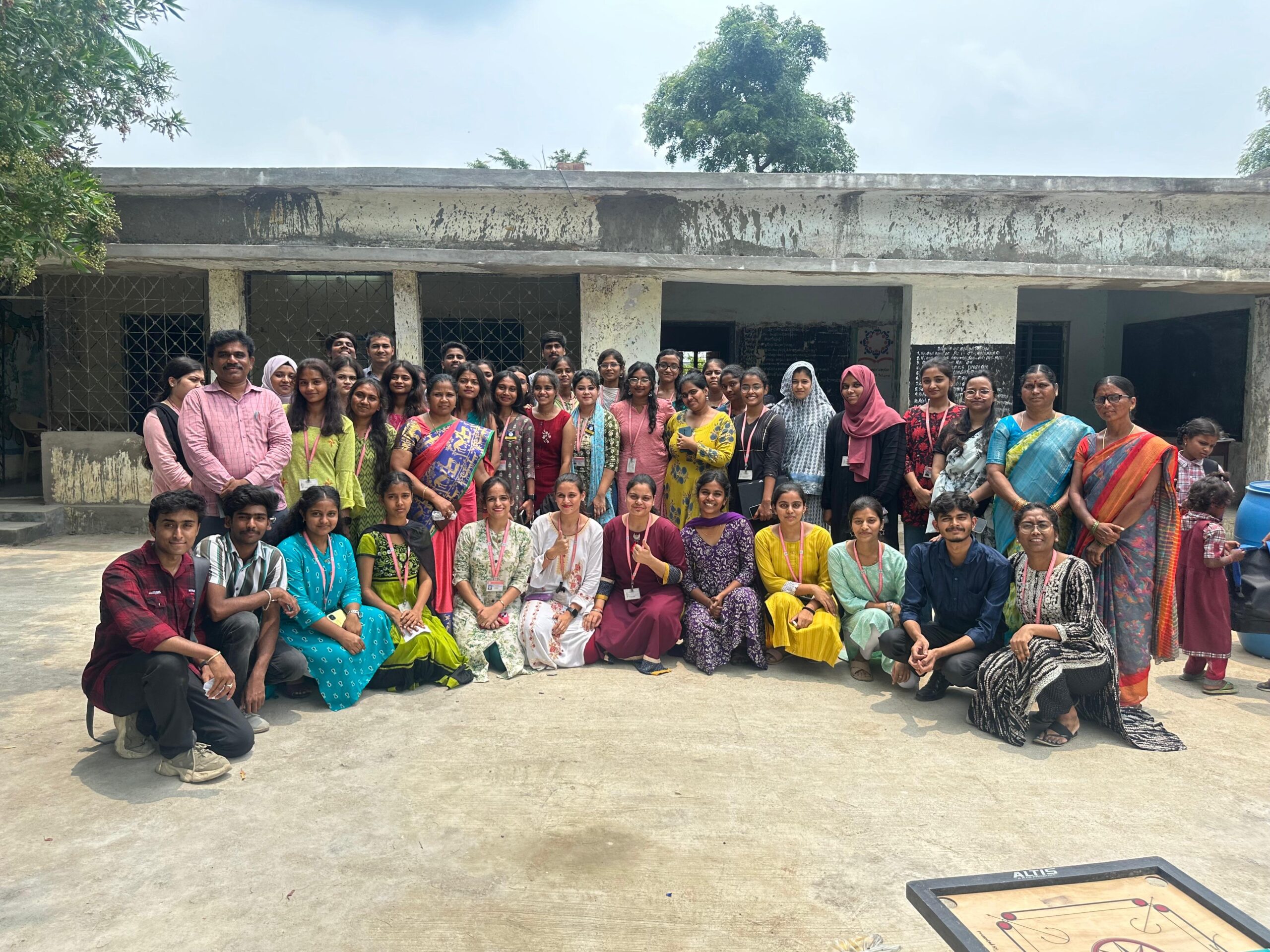
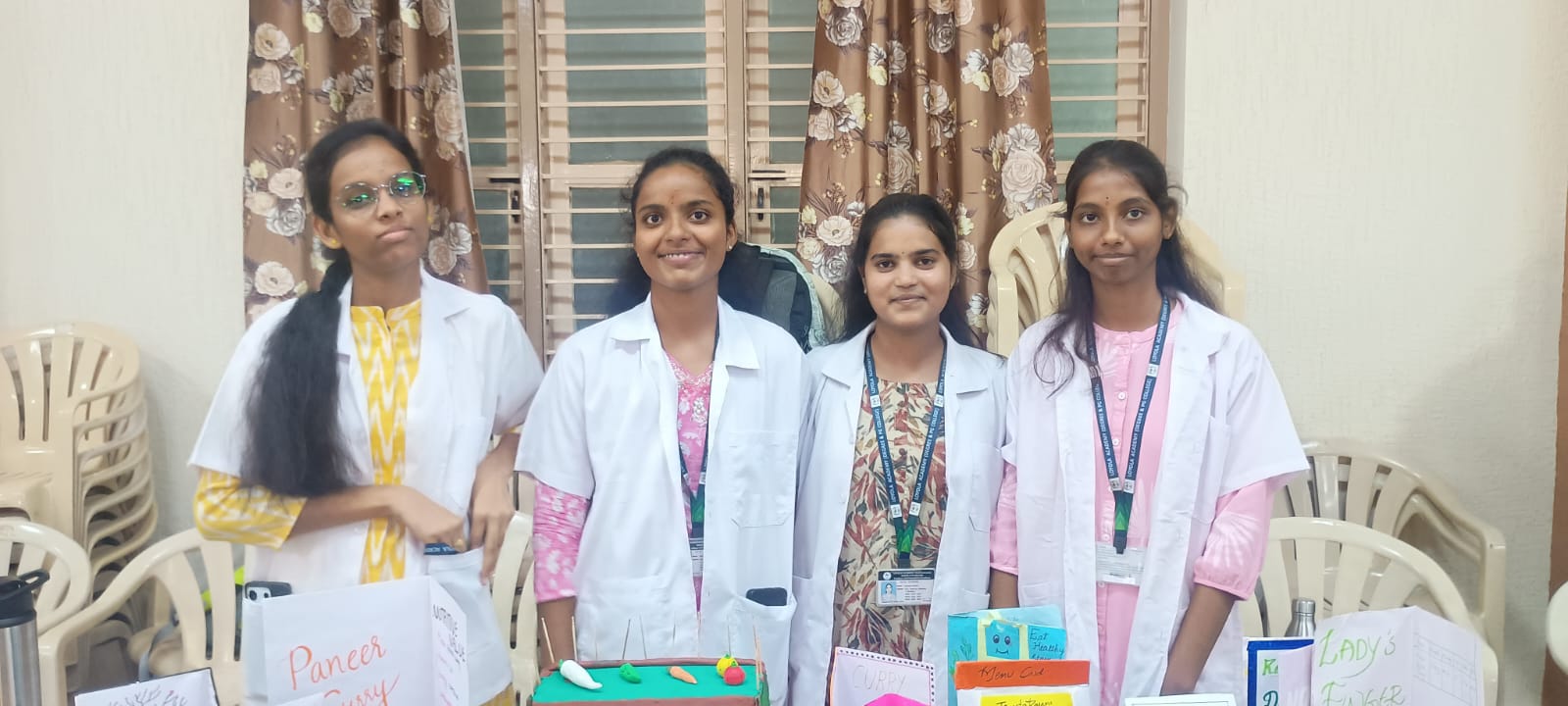
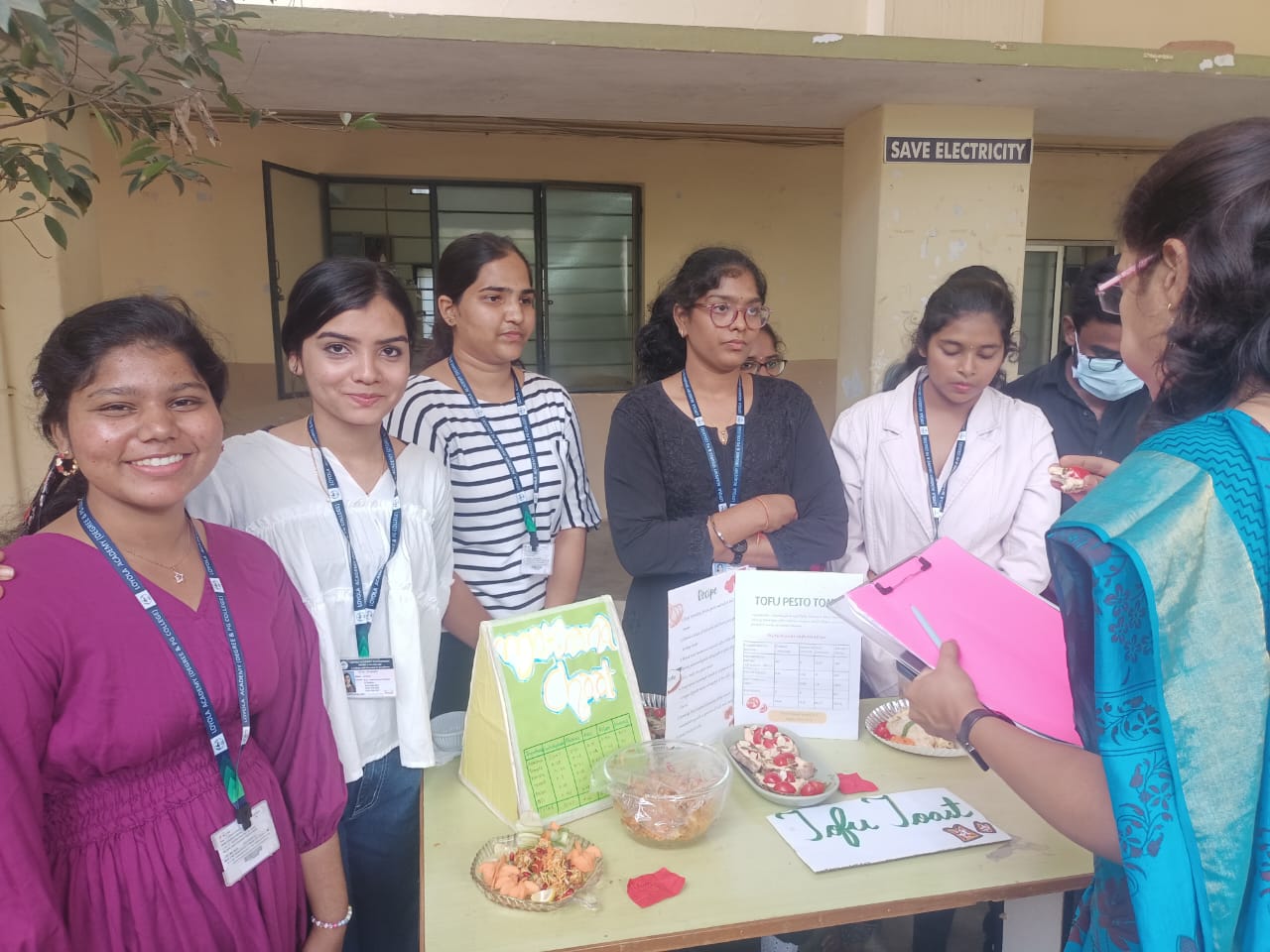
Glimpses of seminars, workshops, and student activities.