LOYOLA ACADEMY
Degree & PG College (Autonomous)
A “College with Potential For Excellence” by UGC
Affiliated to Osmania University Established in 1978


- STUDENT COUNCIL
- MAGIC YOUTH
- AICUF
STUDENT COUNCIL
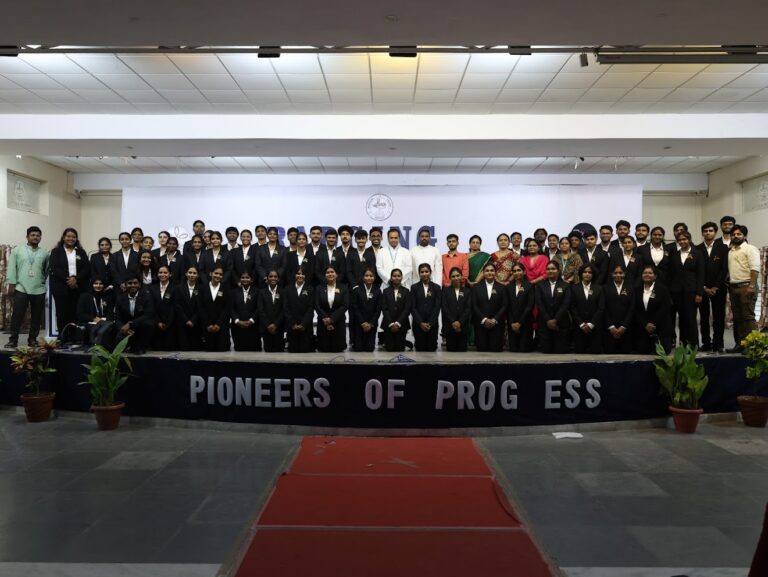
Loyola Academy’s Student Council is corps d’ elite of the institution whose primary function is to bridge the gap between the students and the management. The responsibility of effective execution of the reforms undertaken by the management for the betterment of the students lies with this elite body. The selection of the student council happens through a well-defined three tier process that is designed to harness the power of true leaders. The first stage consists of an examination where students are tested based on their overall knowledge of topics regarding college and country. The second stage comprises of an interview taken by the Dean of Student Affairs who is the faculty head of the student council. The last and final round comprises an interview taken by the Vice Principals, who act as stewards of the student council. The entire selection process starts by taking in recommendations from the various Heads of the Departments and also from the current serving student council.
The student council conducts various activities in college including fundraisers for social causes, cultural activities, festive specific events, and the college cultural fest Resonance. They actively inculcate the habit of participation in various extra-curricular activities right from when the students step into the portals of Loyola Academy. The student council also acts as a grievance forum for students to address their issues in case they are not comfortable with approaching the management, they make it a point that the voices of each and every student are heard and that the issues, if any, are resolved in a prompt manner. Important messages and notices pertaining to matters such as Examinations, rule changes are conveyed as a point of double check by the student council.
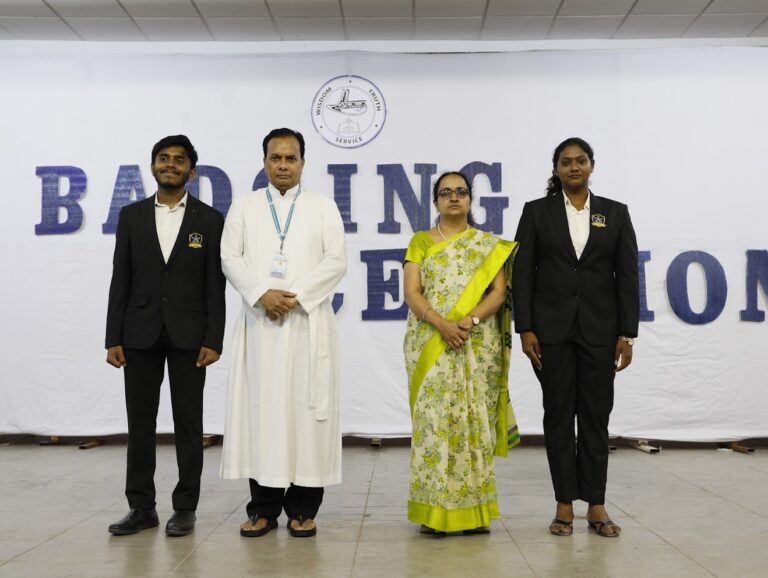
The student council members are also a part of the various committees and governing bodies of the college for example, the Head Boy and the Head Girl are a part of the academic council and are given a platform to express their opinions and suggestions to improvise the curriculum. Apart from this, the student council members are also a part of various other bodies such as the discipline committee, the women empowerment cell etc. They ensure that the opinion of the students is represented in the respective forums.
ELIGIBILITY CRITERIA:
- The heads of various departments are requested by the Dean of Students Affairs to suggest a minimum of three and a maximum of five names for the Student Council. Students having backlogs are not eligible to be a part of the student council.
- The suggestions/recommendations of the outgoing council members are also taken into consideration. They are advised to suggest candidates based on their involvement and contribution to the events conducted.
- The student aspiring to be on the student council must have a minimum of 80%-90% of attendance. Students failing to fulfill this criterion are not eligible to appear for the selections of the student council.
- If a student is elected to the council but also holds the position of class representative in the department, he or she must choose one portfolio and cannot hold both responsibilities.
SELECTION PROCESS:
The selection of the student council takes place in three rounds. Each round is designed to test the potential of the candidate in different aspects.
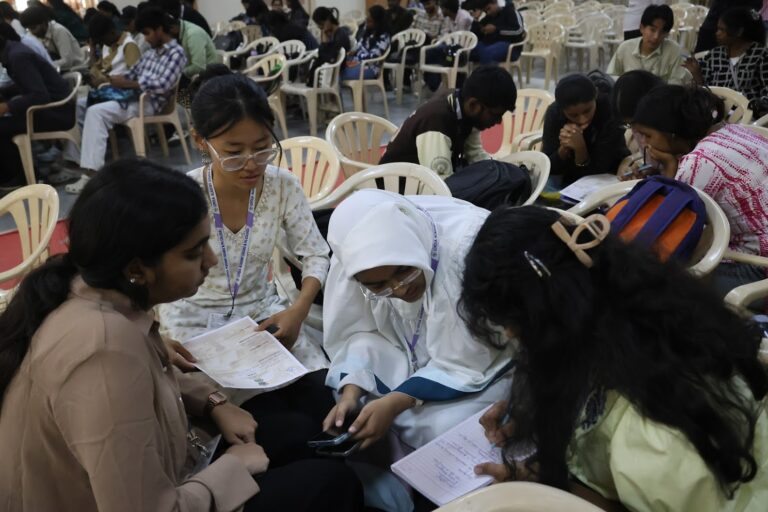
THE FIRST ROUND: The first round consists of a 50-mark written examination. The questions are objective and subjectively based. This exam tests the candidate’s knowledge regarding their college, its administration and the country. Students who fail to appear or do not score an average of 40% mark will be disqualified.
THE SECOND ROUND: Students who have qualified for the second-round will now be asked to appear for a personal interview with the Dean of Students Affairs, Coordinator and Assistant Coordinator. This is a one-on-one interview in which the panel will ask several questions regarding their desired portfolio, judging their capability and aptitude for the post.
THE THIRD ROUND: Based on their performances, students possessing or exhibiting extraordinary skills would be selected to contest for the positions of head boy and head girl. Only a few students who are most eligible would be called for this round, and these students would have to appear for an interview with the vice principals of the college. The vice principals select the candidates for head boy and head girl based on their performance in the interviews.
Students are selected and finalized for other portfolios based on their performances in the first and second rounds by the panel members in consultation with the vice-principals.
After their selection, an undertaking form would be given to all the students, which would list out information about the candidate’s willingness to be a part of the council and also necessitate the student’s commitment towards the work assigned. This form is a reminder to the students that the student is responsible for his or her attendance and internal marks and should not blame the institution for their poor attendance or their inability to perform well in their exams. Students should maintain a minimum of 85% attendance and good internal grades. They have to attend 60-70% of their classes. The students aspiring to be a part of the student council are required to balance their academics and activities. If the student feels that he or she would not be able to manage, they can at any time withdraw from the council before the investiture ceremony. Any council member can be removed if any of the members of the management or Dean of Student Affairs or HOD feel that the candidate is failing to abide with the designated roles and responsibilities.
- If a student council member is found violating the code of conduct of the institution or is found in activities which would jeopardize and malign the name and integrity of the institution and the students’ council would be removed and be asked to submit their badge in the Dean’s office.
- Any student cannot use political influence to get into the council.
- The Sports Secretary leads the sports contingent and handles games and tournaments that take place inside and outside the college. They directly fall under the tutelage of the Physical Director. The Dean of Students Affairs would only be a point of second contact.
- The Placement Cell Coordinators assist in conducting various placement drives and scheduling interviews with various companies, which would directly fall under the purview of the Placement Cell, and the Dean of Students Affairs would only be a point of second contact.
- The Extension Activity Cell Coordinators would focus on extension activities, which may involve collaborations with other organizations and opportunities that the students can avail themselves of. They would report to the Extension Activities Coordinator, and the Dean of Students Affairs would only be a second point of contact.
- The Head Boy and Head Girl, along with the other council members whose portfolios are not mentioned above, would directly report to the Dean of Students Affairs. The Dean of Student Affairs is the first point of contact for them and would work closely with them.
ROLE OF STUDENT COUNCIL:
The aim of the student council is to act as a representative body and coordinate with other students, staff, and parents’ on matters of importance to students within the college. The student council has two main functions:
- To organize social events for the students of the college (Cultural Activities like Resonance, College Day etc.)
- To provide an opportunity and enable students to work in partnership with staff, management and parents.
THE STUDENT COUNCIL AND THE PRINCIPAL:
The role of the Principal is crucial in the functioning of a Student Council. In the initial stages, the Principal, together with the other lecturers, will assist in the development of Student Council in several ways, for example, by defining the role of a Student Council and individual representatives of the Council. The Principal recognizes the potentially valuable input that the students can make through the student council which will help him in the development of the institution.
KEY FUNCTIONS OF STUDENT COUNCIL:
The functions and activities of a student council should support the aims and objectives of the college. In planning and undertaking activities during the course of the semester/academic year, the council should work closely with college management, lecturers and parents, consult regularly with students in the college, and involve as many students as possible in the activities of the council. There is a wide range of activities to benefit the student community which the student council may wish to undertake, some of which are outlined below:
- Representing the views of the student body to the college management This should be one of the fundamental aims of every Council. It involves talking and listening to the student body, considering their views and concerns, and discussing these with the college management on behalf of the students.
- Promoting good communication within the college campus. A student council notice-board or a newsletter through which the council can communicate with the students, college management, staff and parents.
- Assisting with induction and/or mentoring for the first year students.
- Student council can actively contribute to the development of college policy in a wide range of areas such as bullying, uniform requirements, behavior code and extra-curricular activities.
- Assisting in college sporting and cultural activities, organizing and developing sports and cultural activities within the college, including Sports Day, Resonance and so on.
- Assisting with or organizing fund-raising events for charity, student council can organize events both within the college and involving a wider community, for the purpose of raising money for designated charities.
POLICY FOR STUDENT COUNCIL ODS:
S.NO | PORTFOLIO | PERCENTAGE OF ODs |
1. | Head Boy n& Head Girl | 50% |
2. | 2 Documentation Heads (Responsible for attendance) | 30% |
3. | Cultural Heads & Fine Arts Heads | 40% |
4. | Event Heads | 30% |
5. | All other portfolios | 25% |
- ODs for Volunteers
- First line volunteers, who will be helping in most events will be given 15% to 20% ODs.
- Second line volunteers, who may be needed at times of major events such as Resonance and College Day will be given 10% ODs.
- Council members should not work for the departmental events. They will work for the common events of the college like Investiture Ceremony, Resonance, College Day, Graduation Day, Alumni Day, Awards Day and so on
- OD list must be approved by the respective vice principal prior to the event.
Members:
Principal, Vice Principals, Dean of Student affairs and Heads of the Departments.
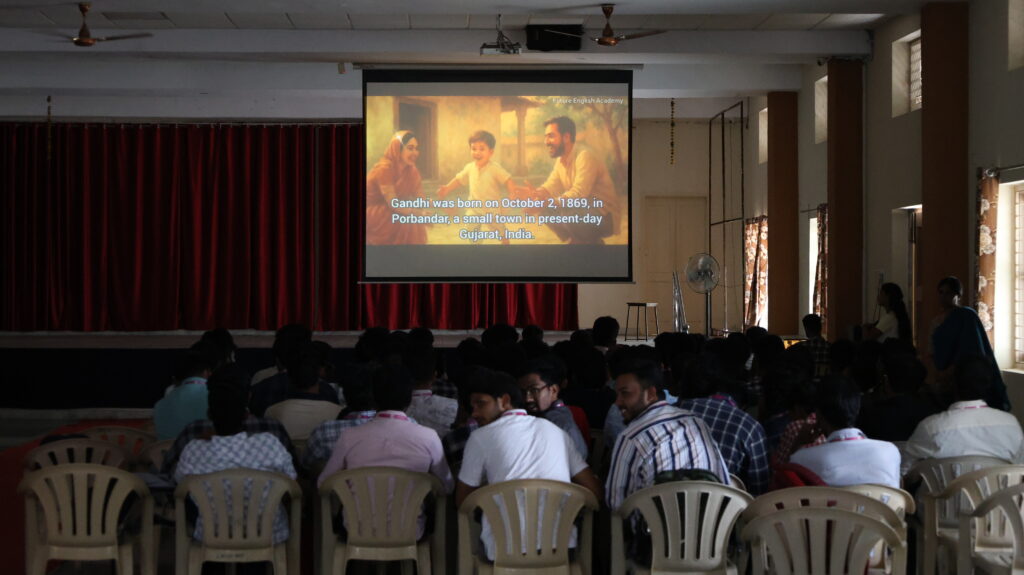
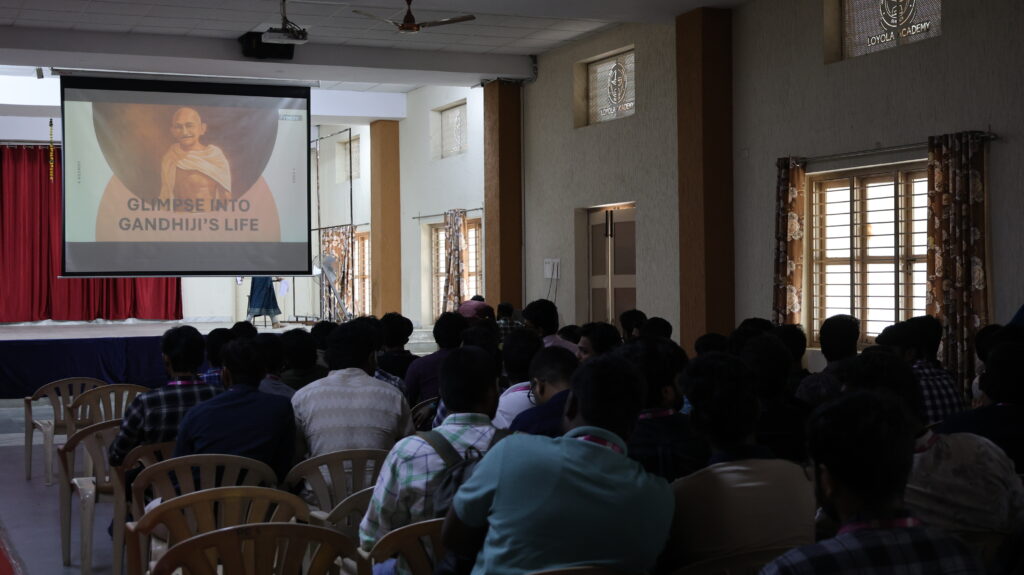
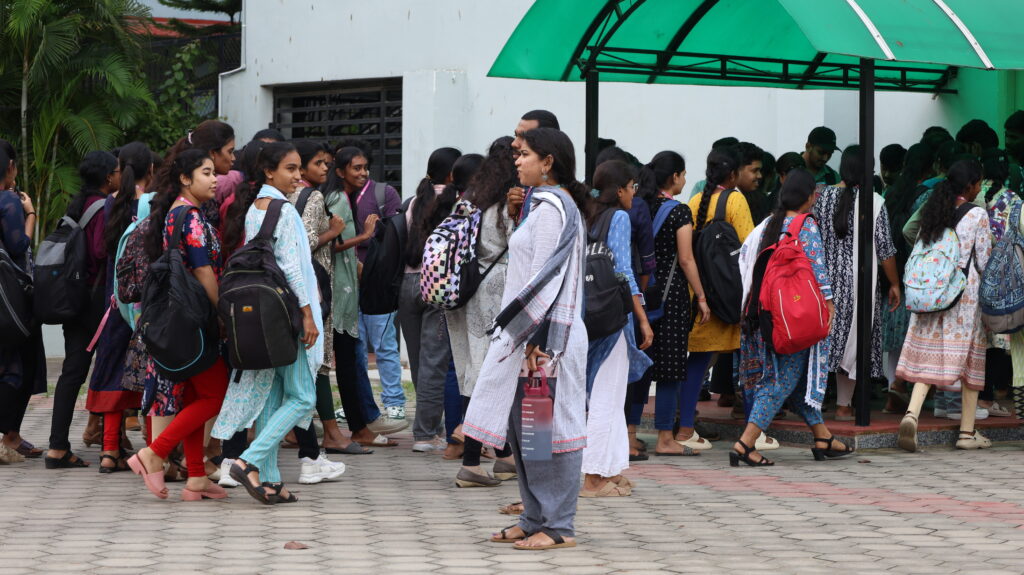
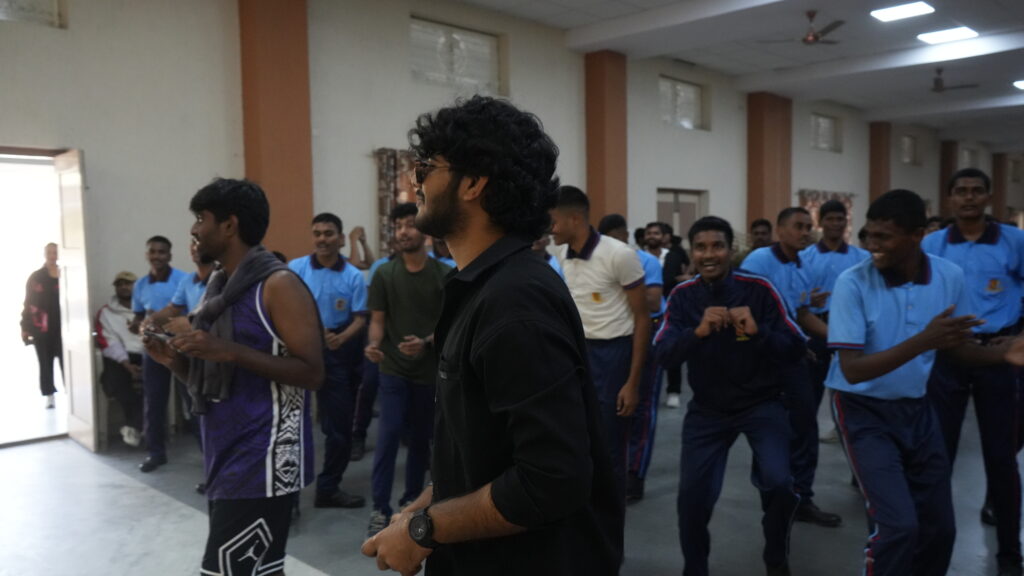
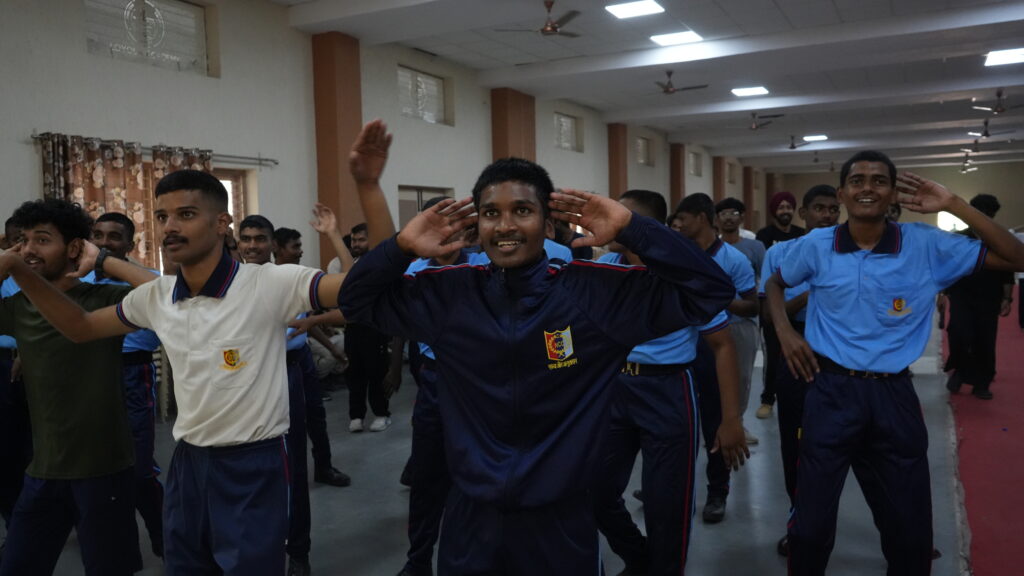
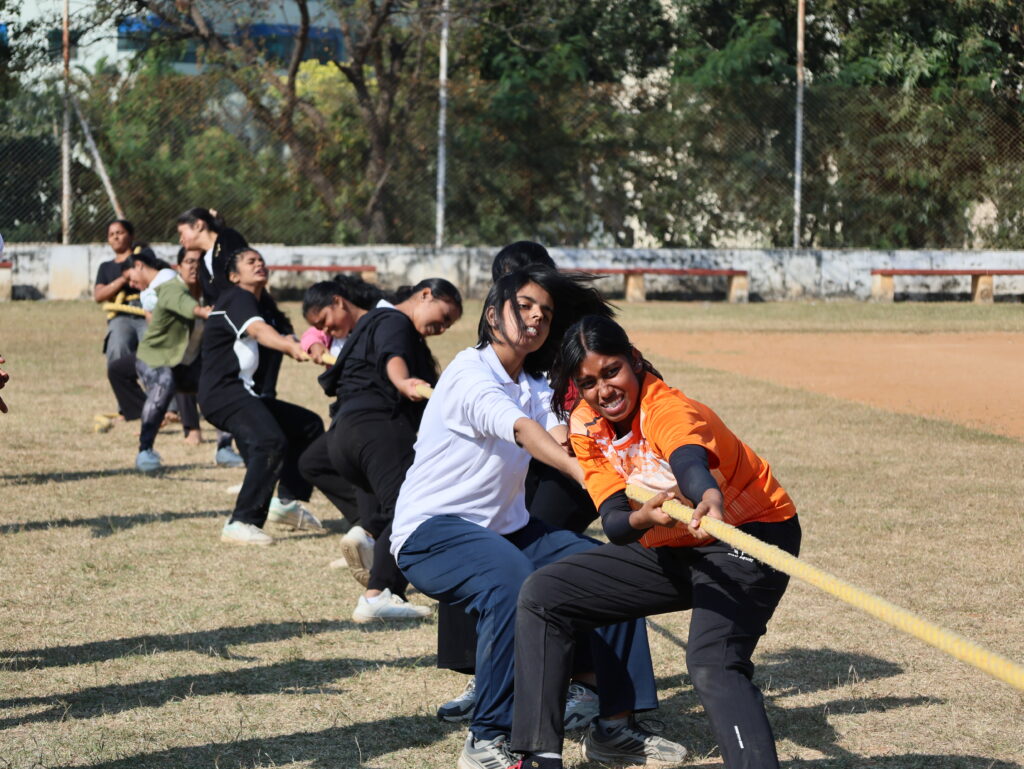
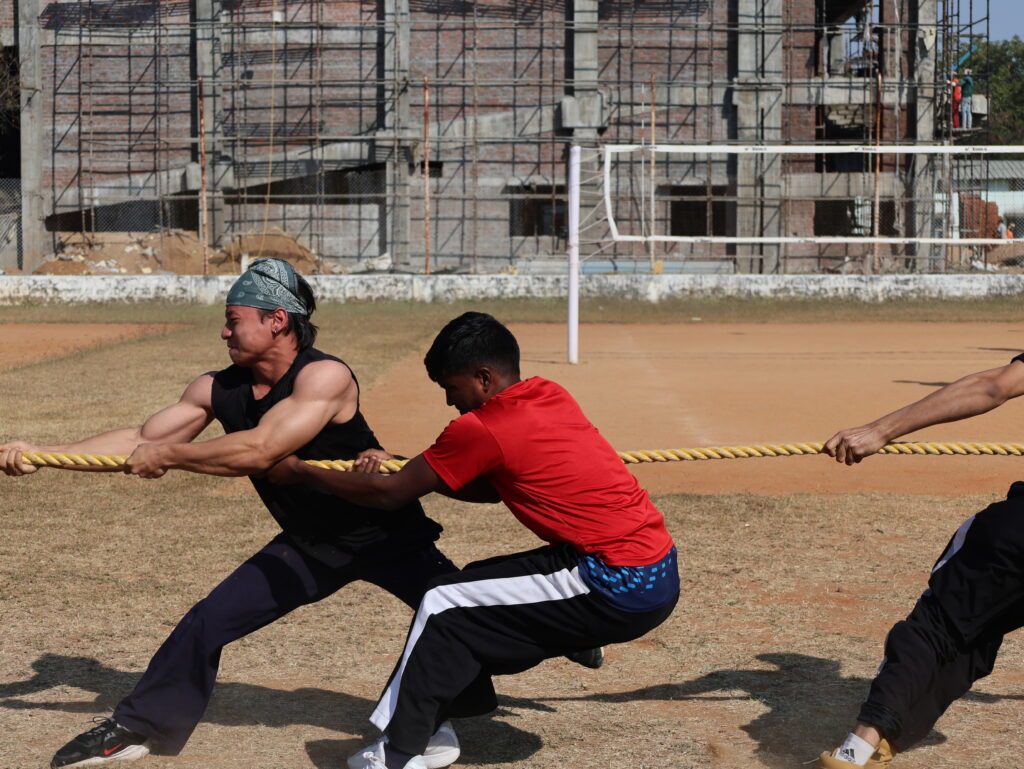
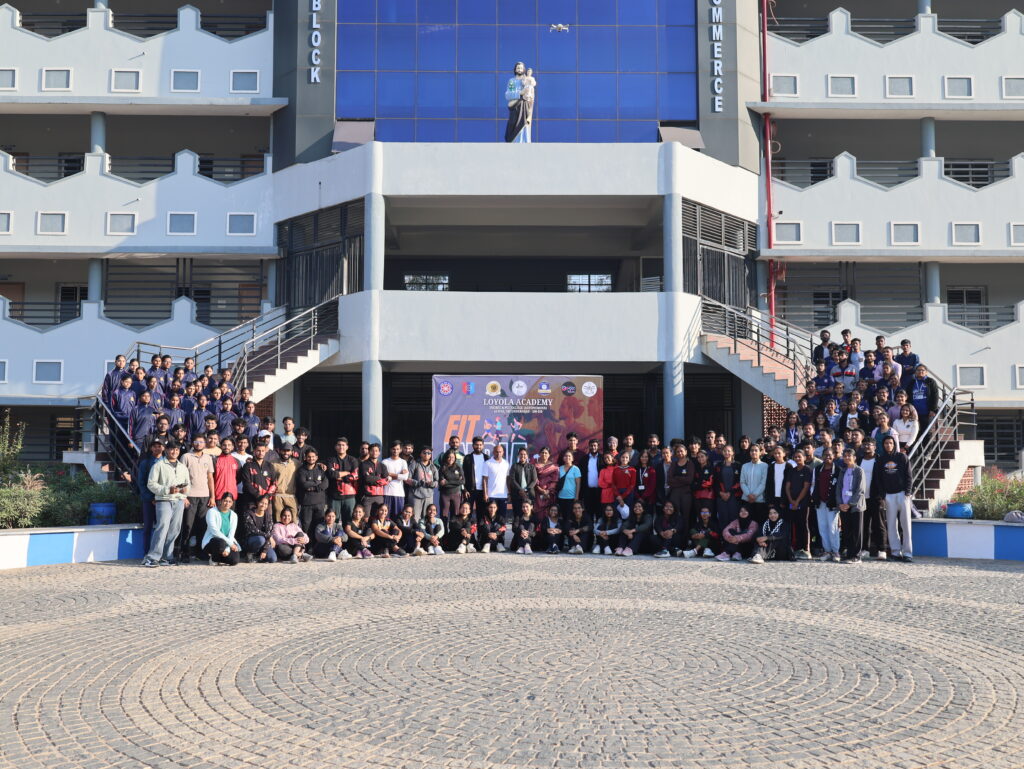
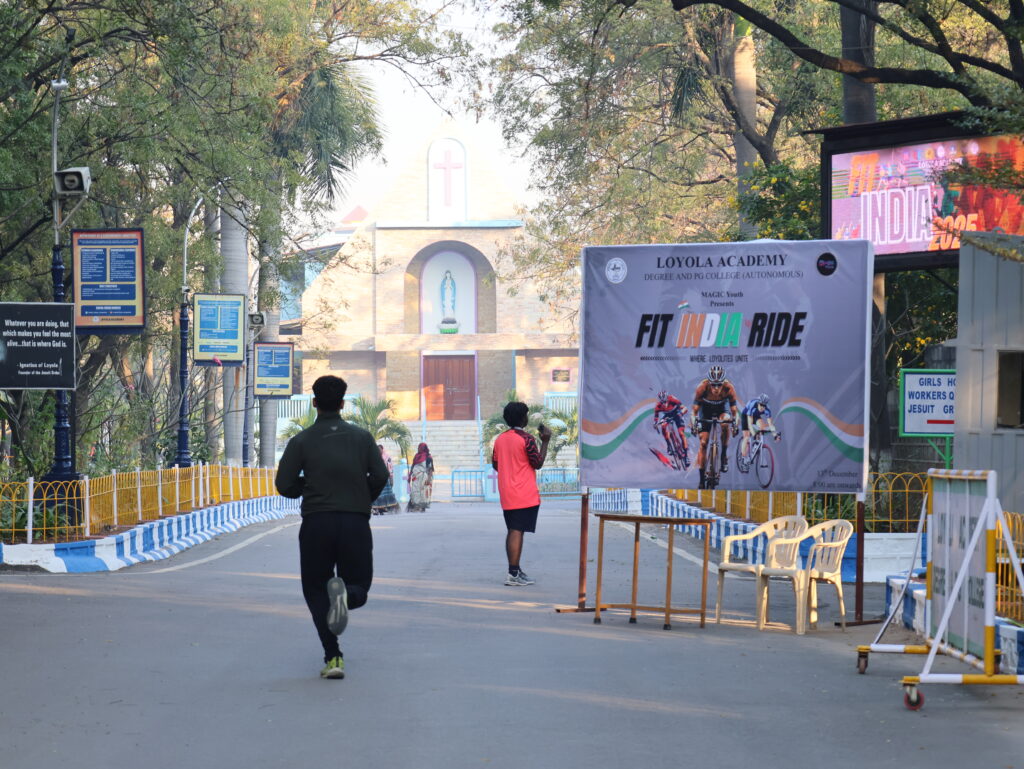
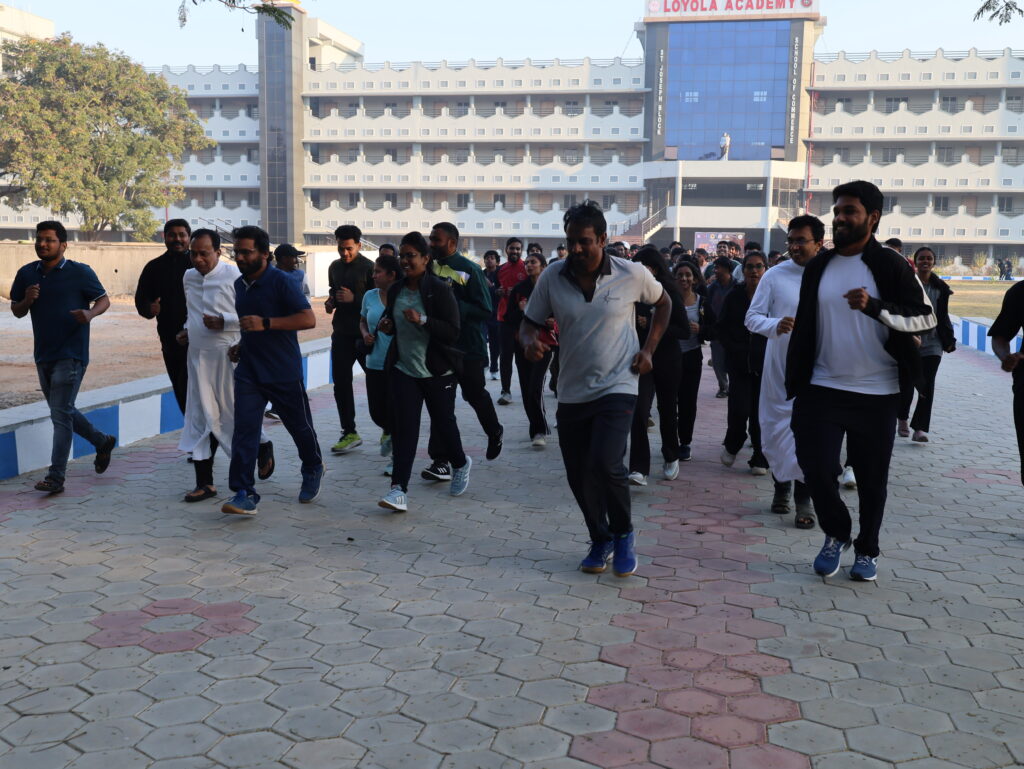
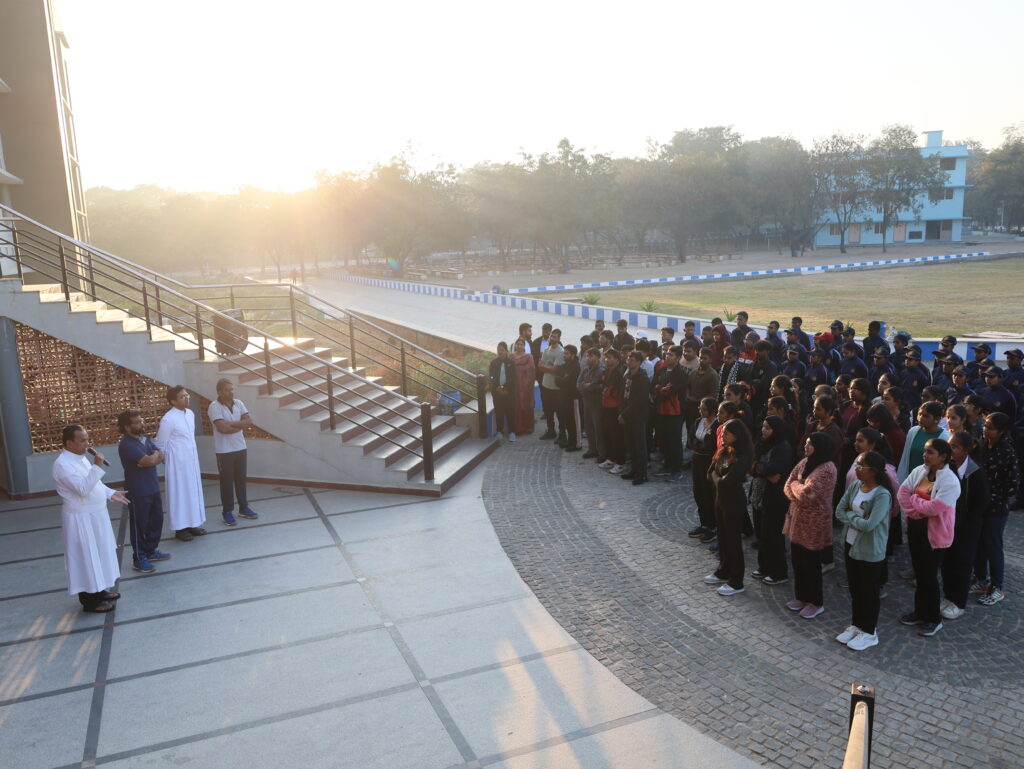
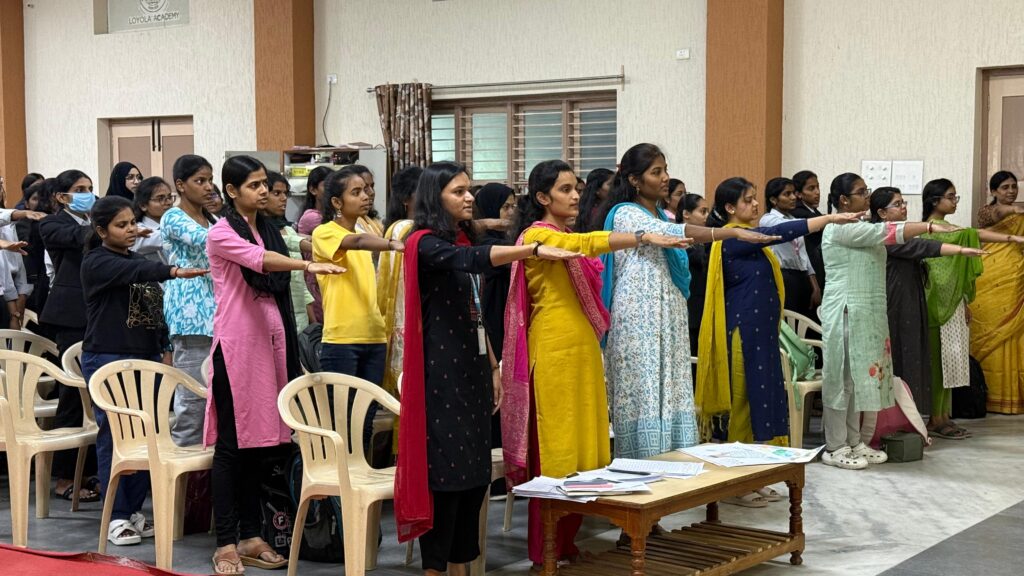
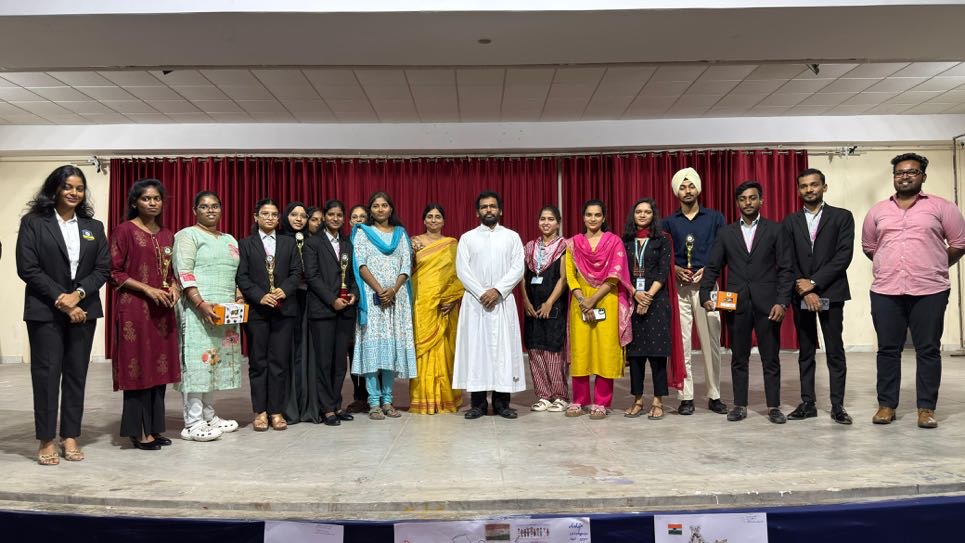
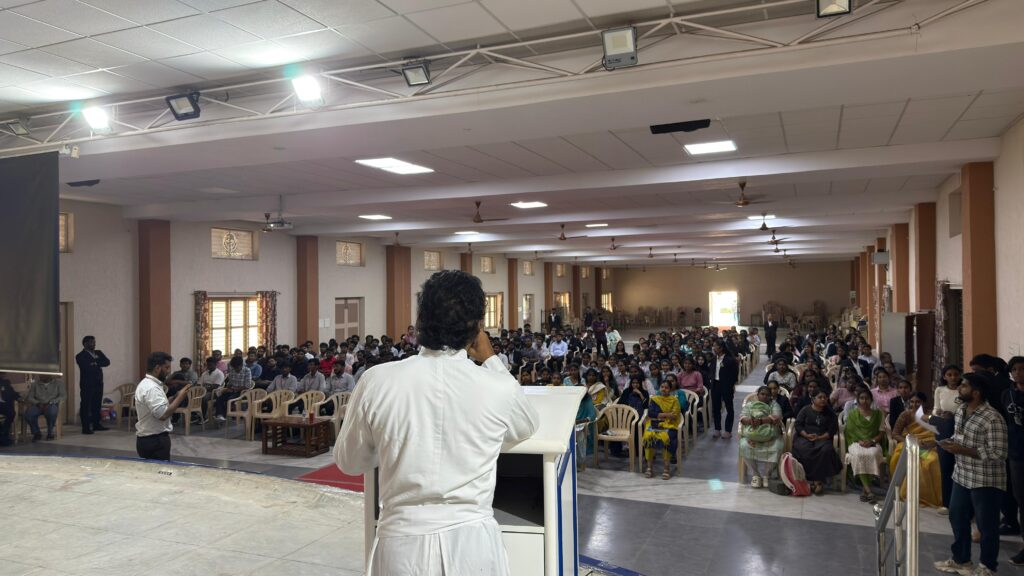
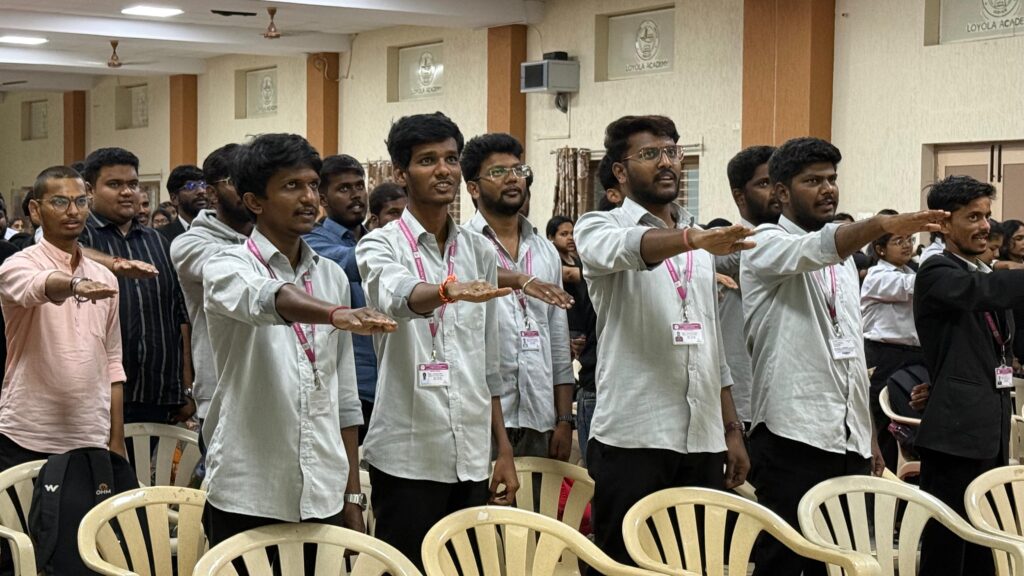
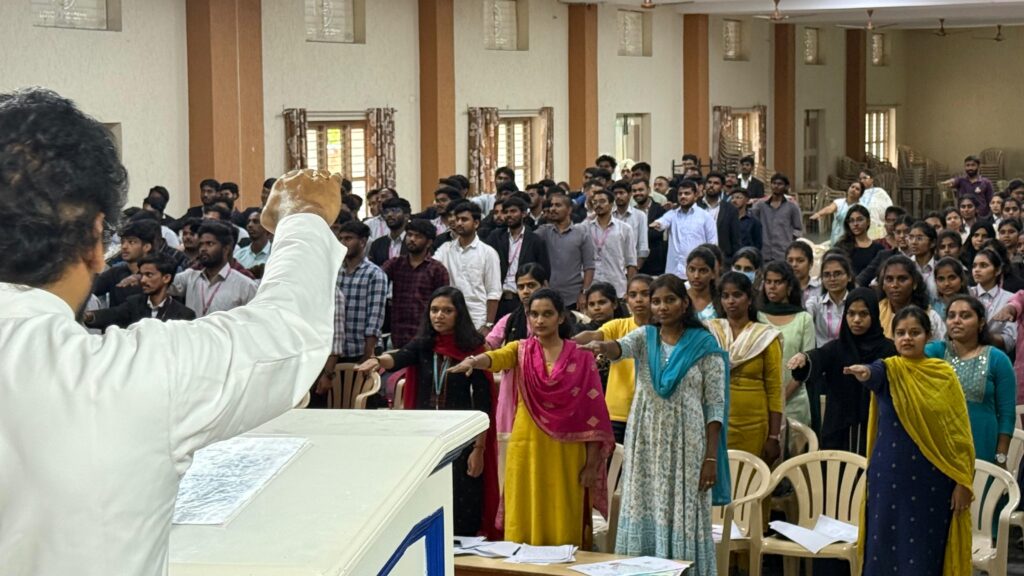
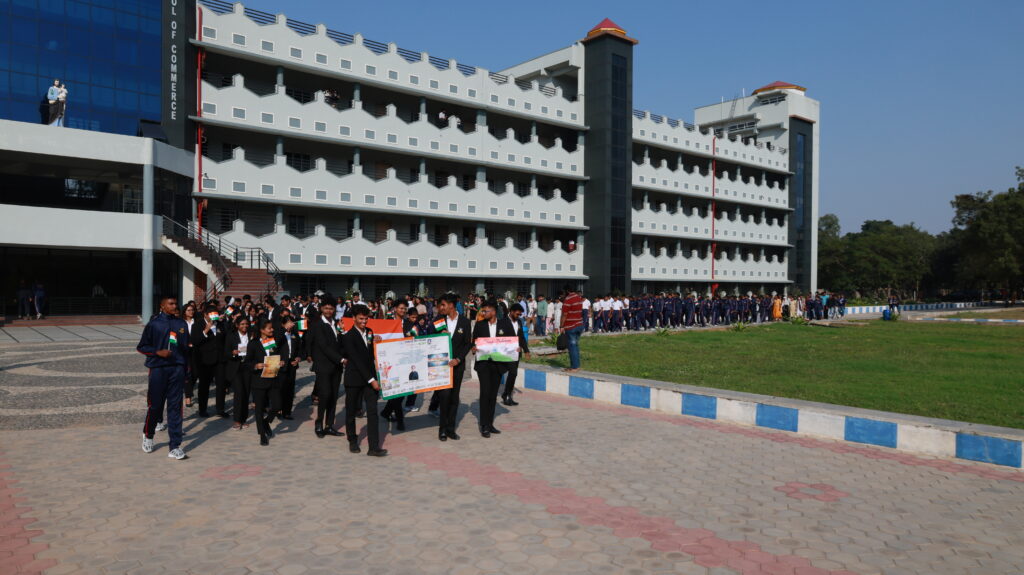
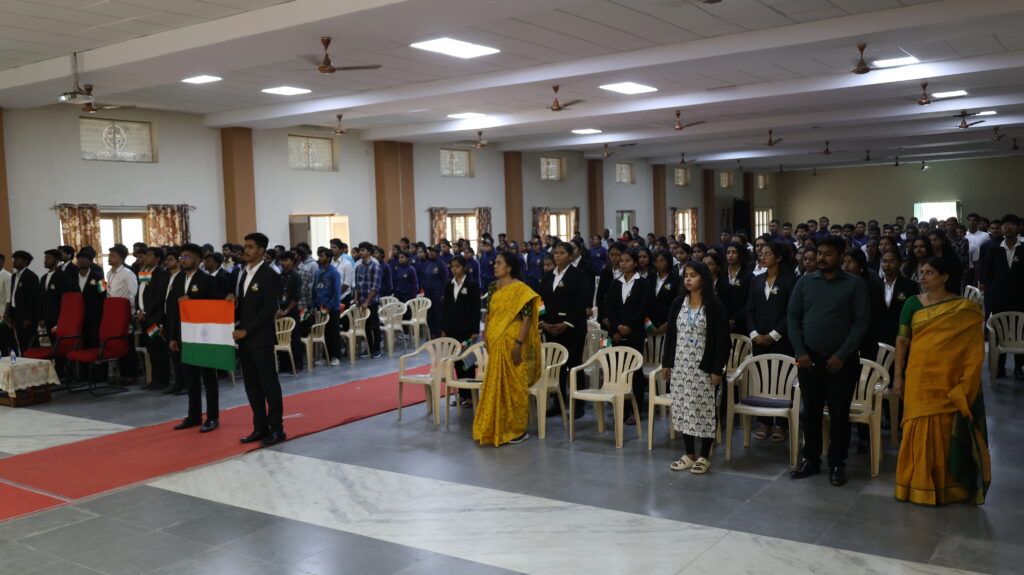
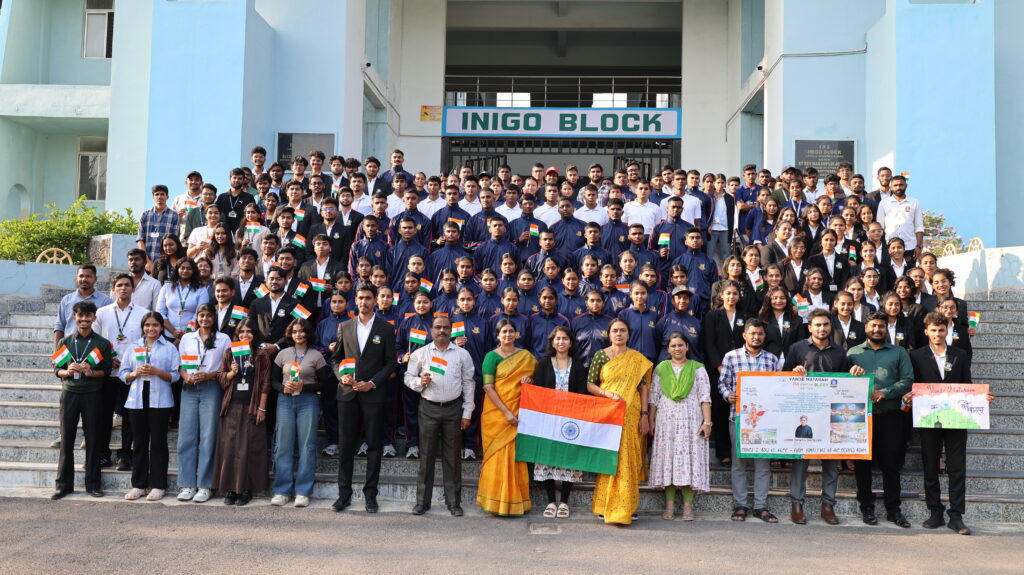
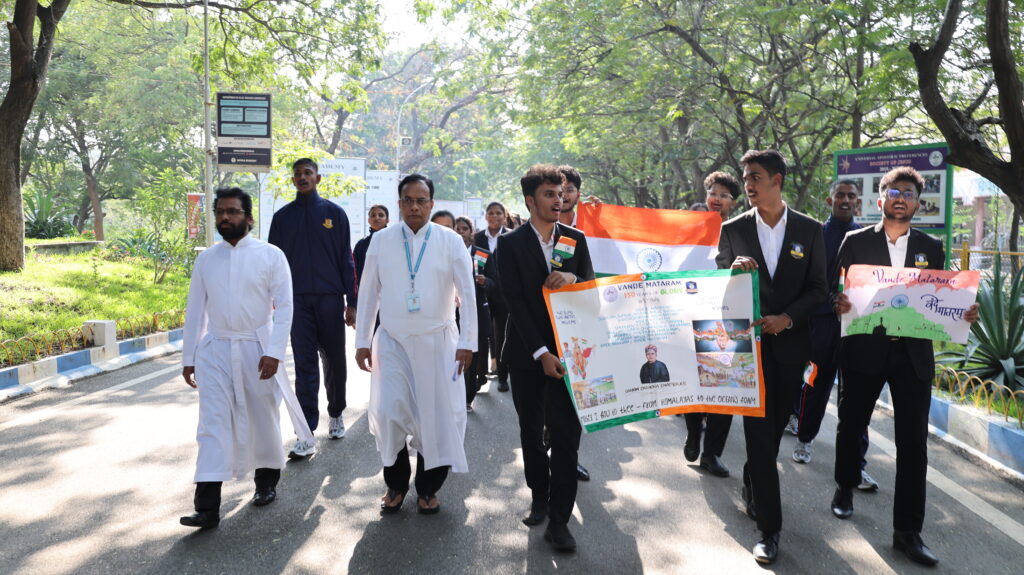
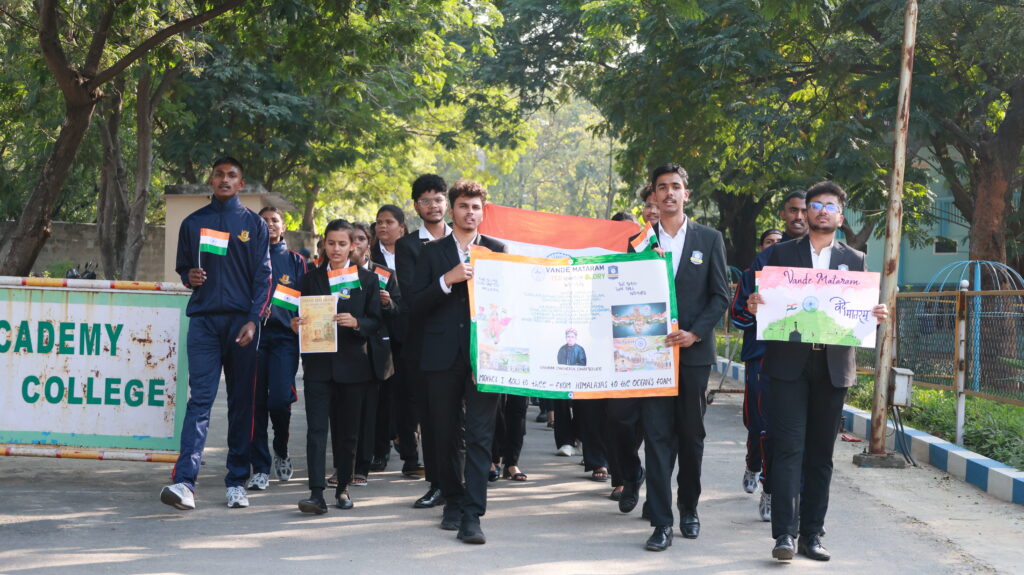
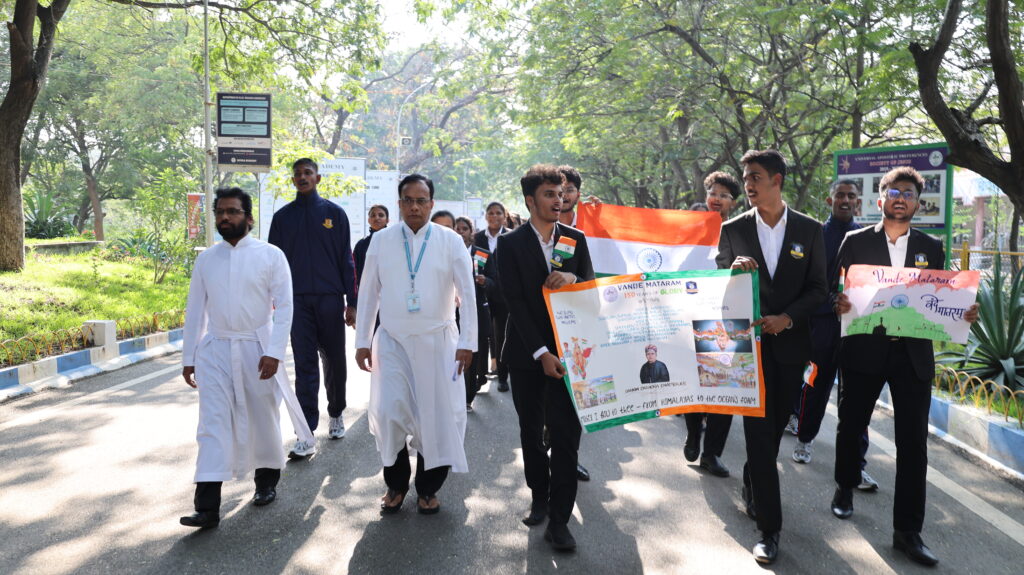
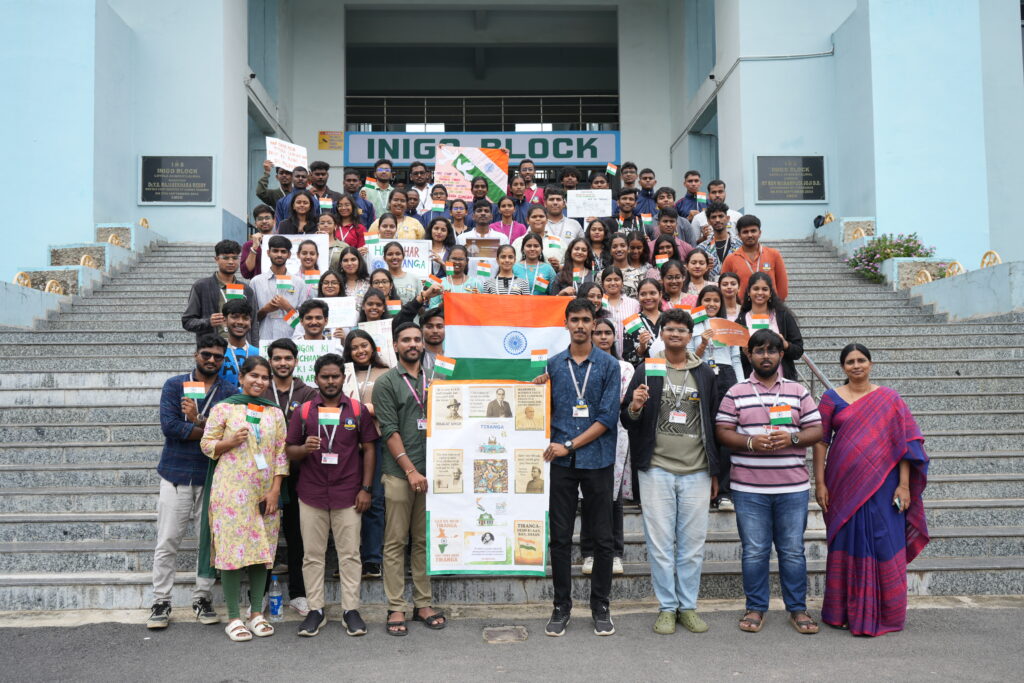
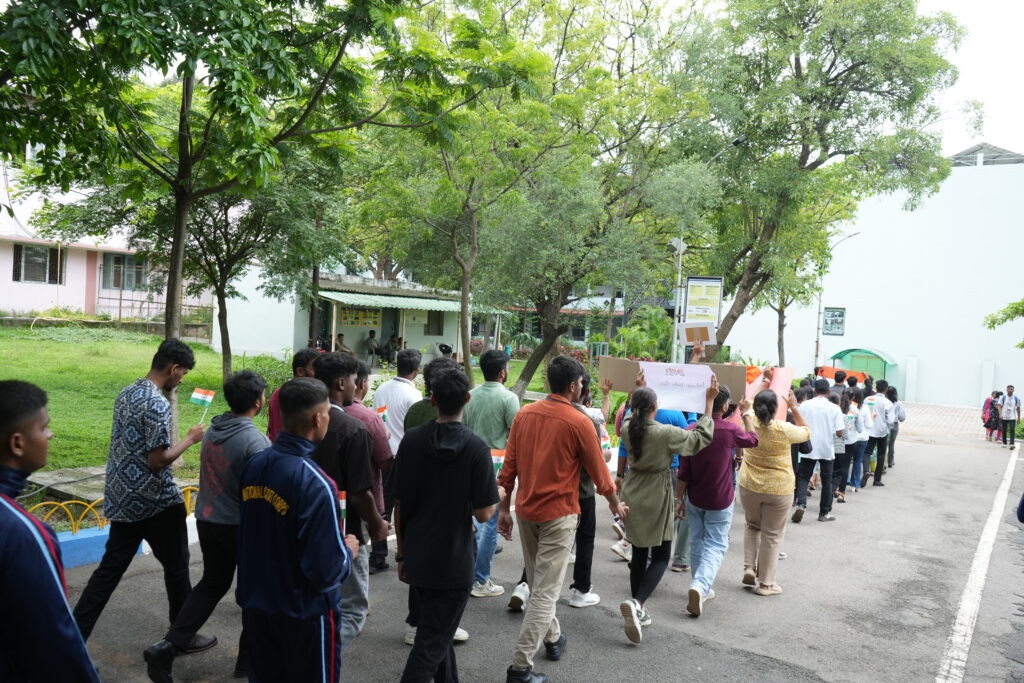
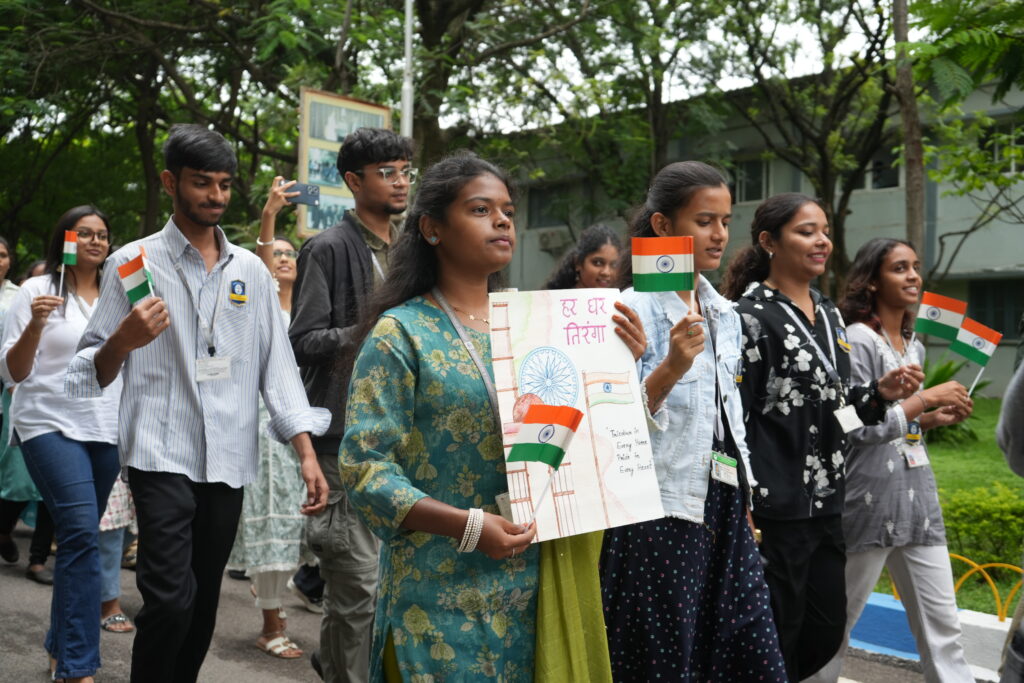
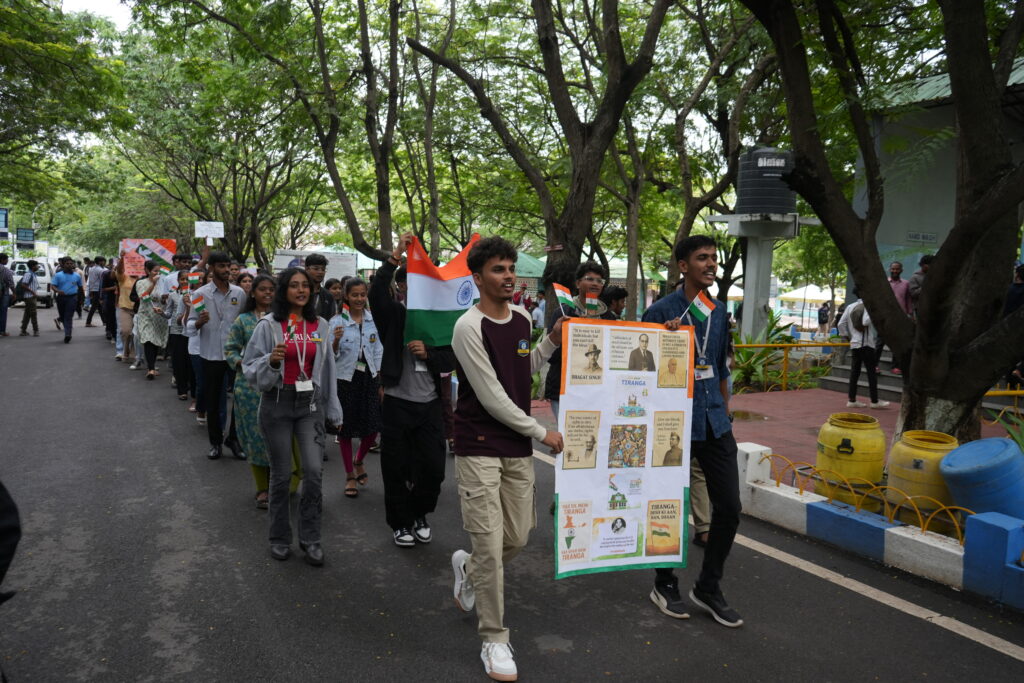
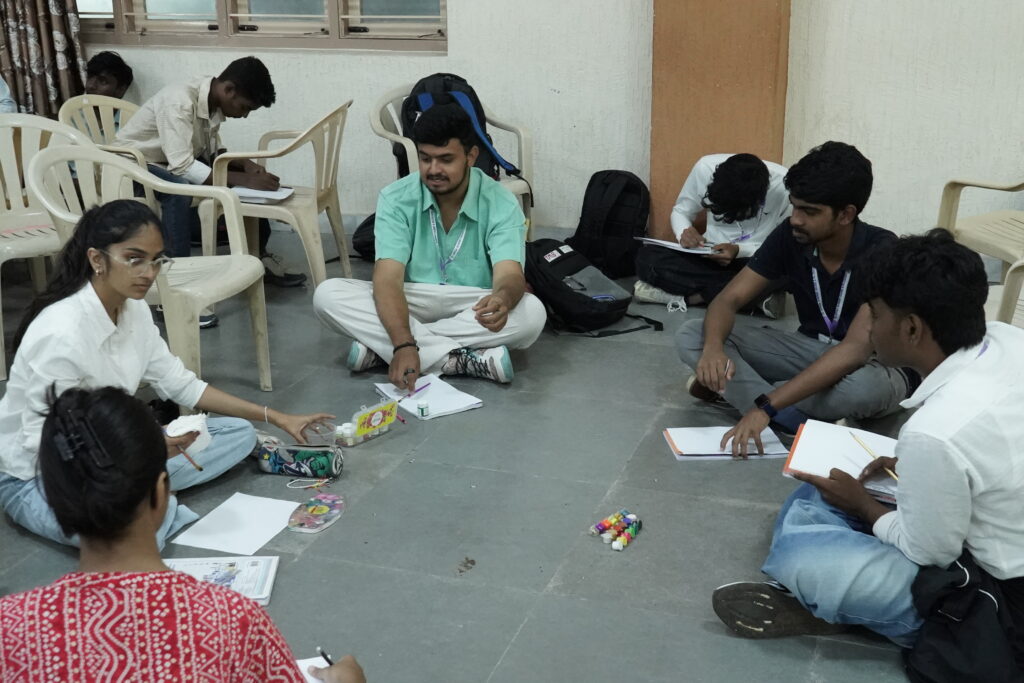
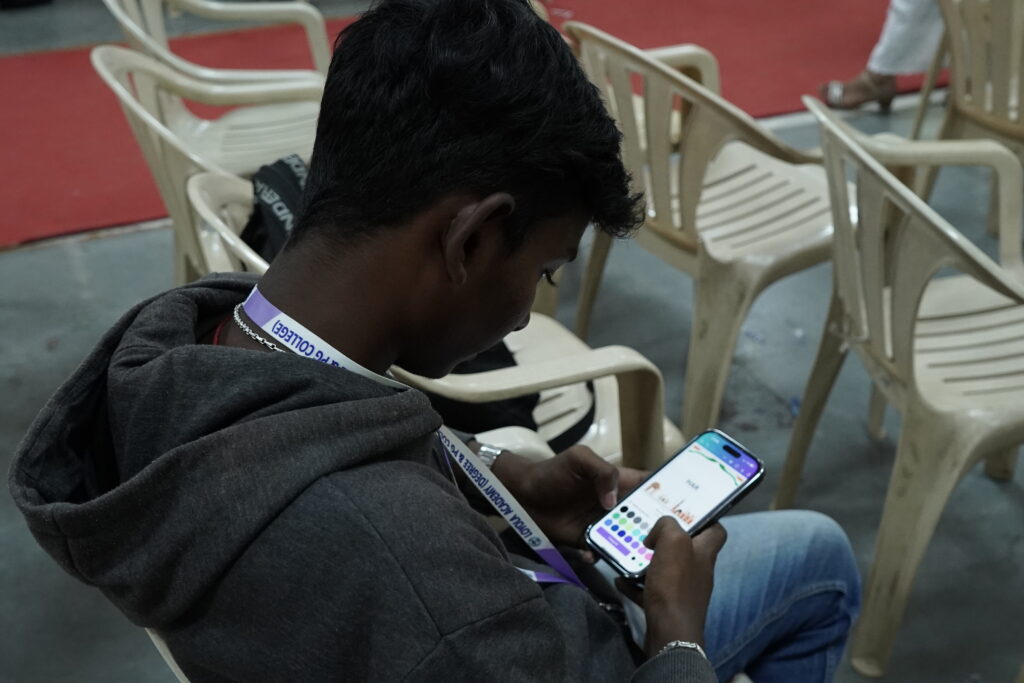
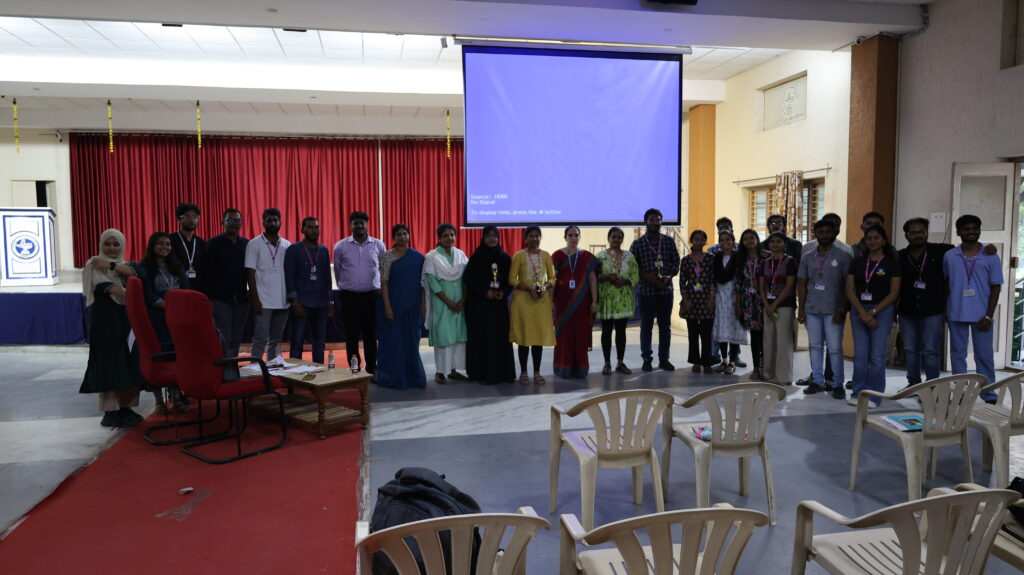
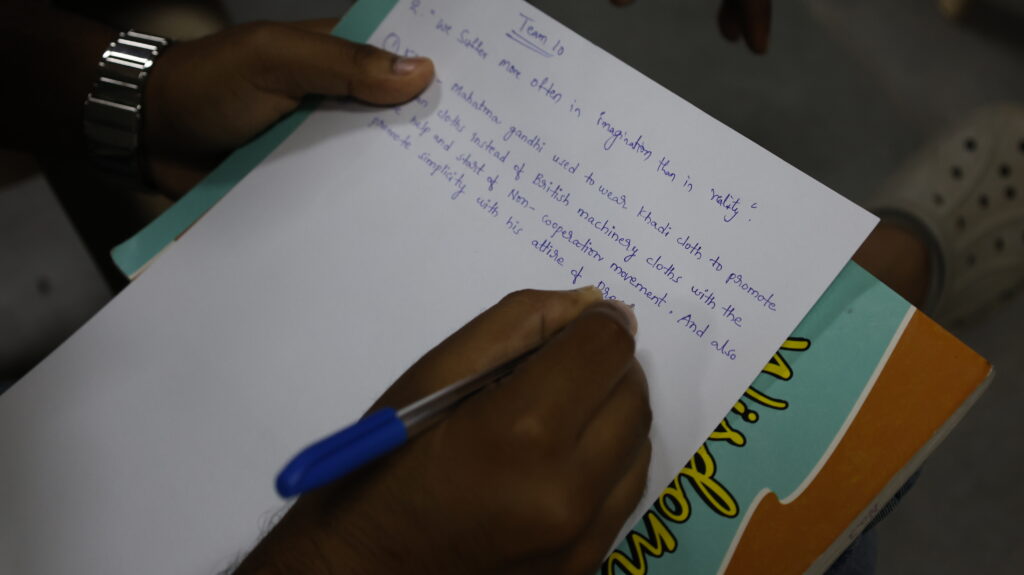
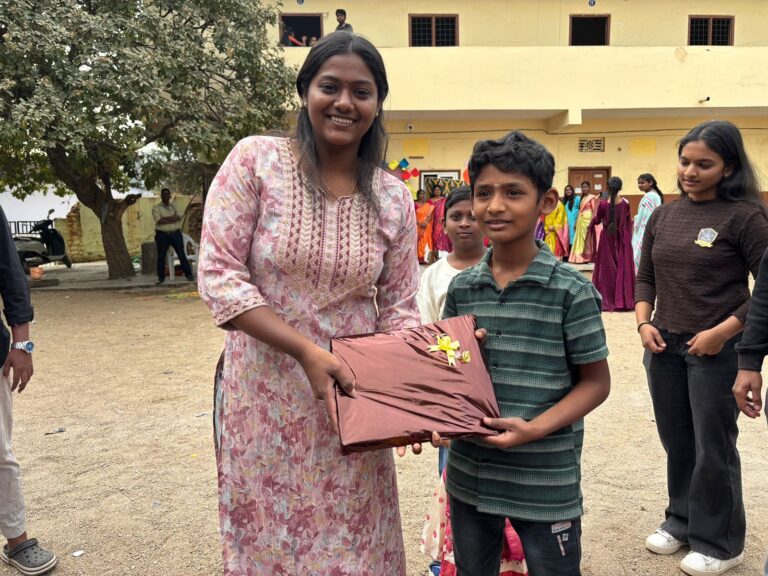
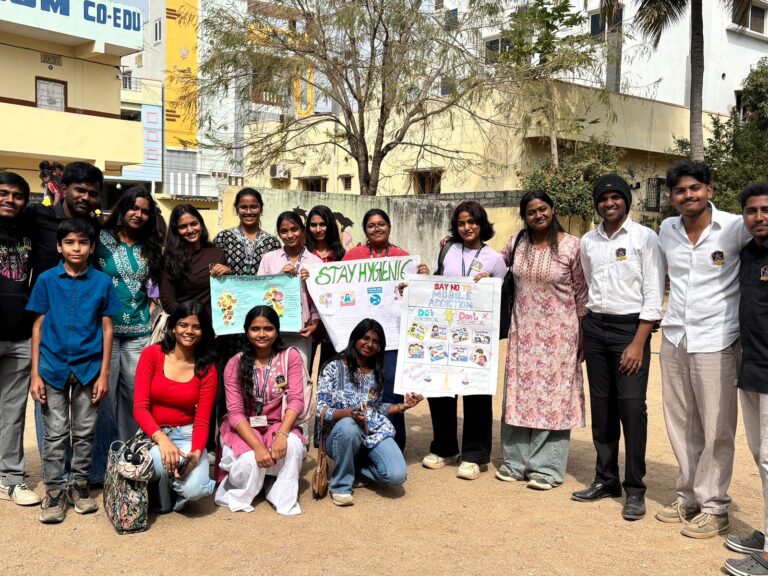
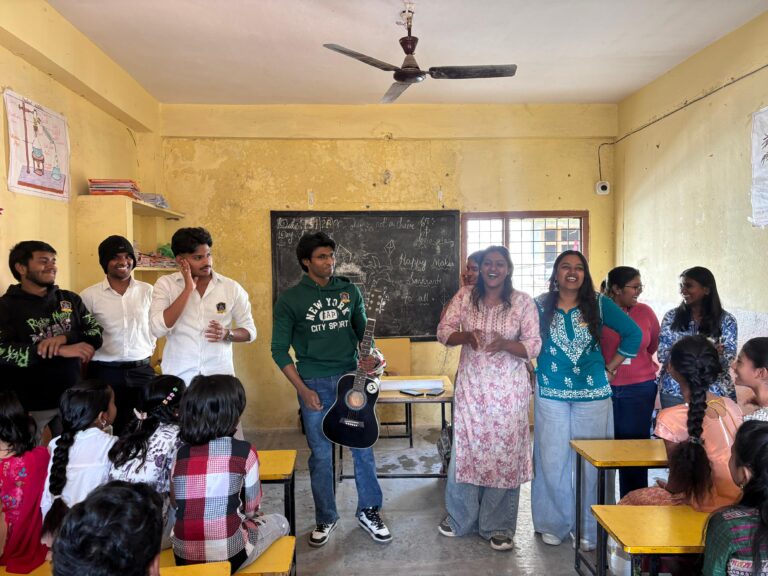
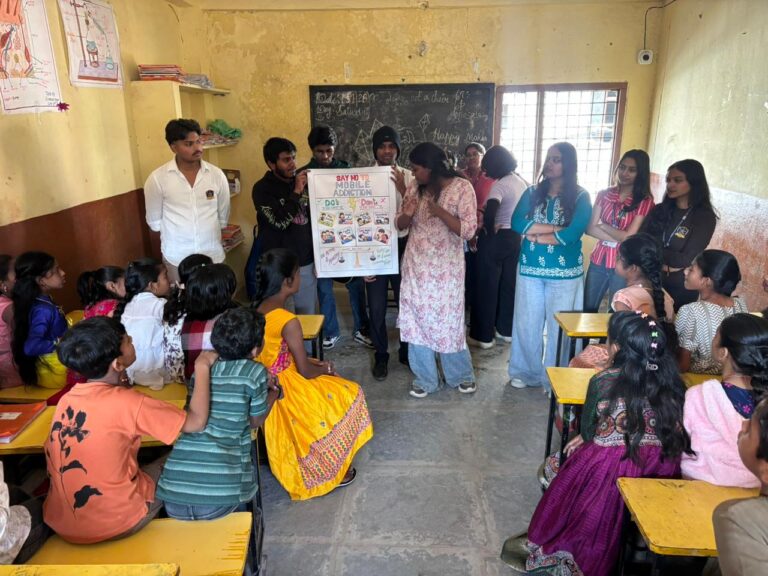
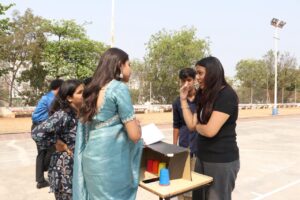
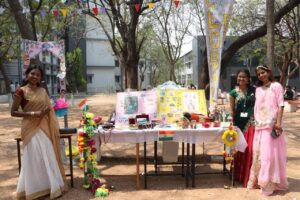
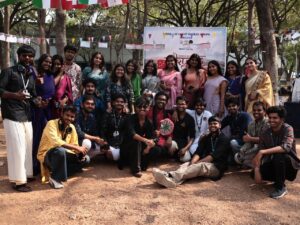
MAGIC (Men and women Aiming Greater Initiatives for Change) is a student wing of YESJ, Youth Empowerment Service Jesuits. Started in 2018, the Loyola Academy MAGIC Youth unit actively works to conduct events throughout the academic year, and uses the funds raised from these events for various outreach programs. These include various awareness drives, menstrual hygiene awareness campaigns, donations to various charities etc.
MAGIC Youth strives for holistic development of young people by addressing concerns relating to Socio-economic, Psycho-emotional, Intellectual, and Spiritual aspects of their lives, while creating opportunities for young people to be men and women of conscience, competence, compassion, and commitment, and be the agents of change for themselves and the community they live in. MAGIC Youth aims to have a long-term systematic approach with spiritual, social, psychological, contextual,
intellectual, and creative integration in taking up initiatives focusing on educating, empowering, and sensitising young people.
Vision:
A community where young minds come united to bring a change in society. Students cone voluntarily to help people on humanitarian and social basis.
Mission
- Motivating students to actively take part in social service.
- Creating a strong sense of social responsibility in the minds of students.
- Helping and interacting with NGOs and charitable trusts and creating an impact with their actions.











AICUF
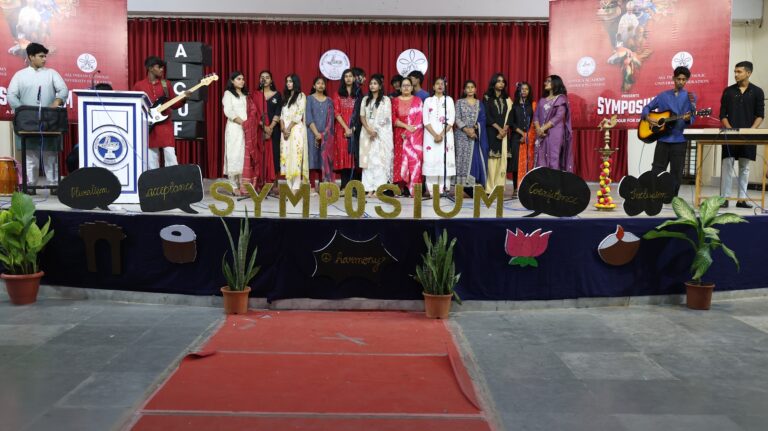
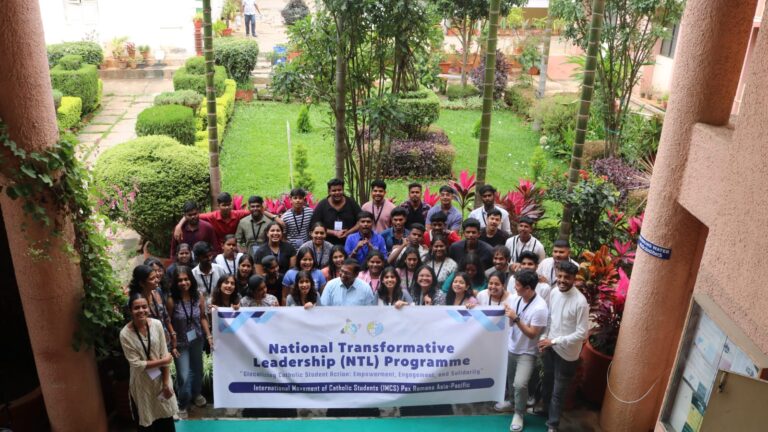
All India Catholic University Federation (AICUF), is a students’ movement formed to develop leadership skills and increase social awareness. Its motto is “We are born into an unjust society and we are determined not to leave it as we have found it”. The moment was started in 1924 at St. Joseph College, Tiruchirappalli by Fr. Carty SJ. Currently it operates in 15 states of India the organisation is affiliated to Pax – Romana, in International Association of Catholic Professionals.
The AICUF vision is to “Sensitize students towards those margins and students towards those at the margins and involve ourselves physically, intellectually and spiritually while networking with NGOs and peoples’ movement”.
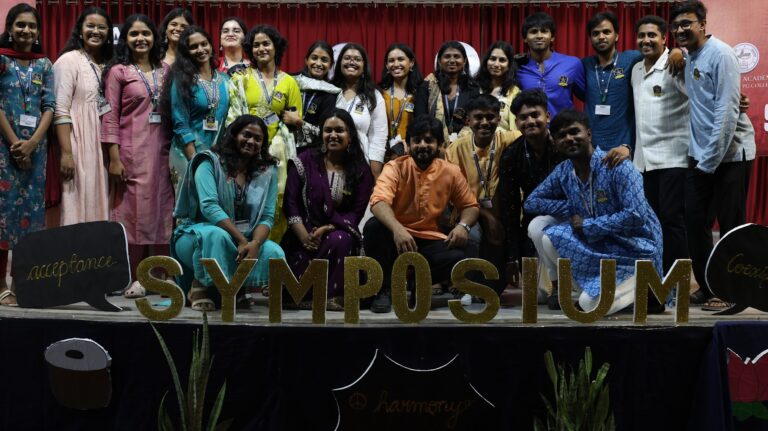
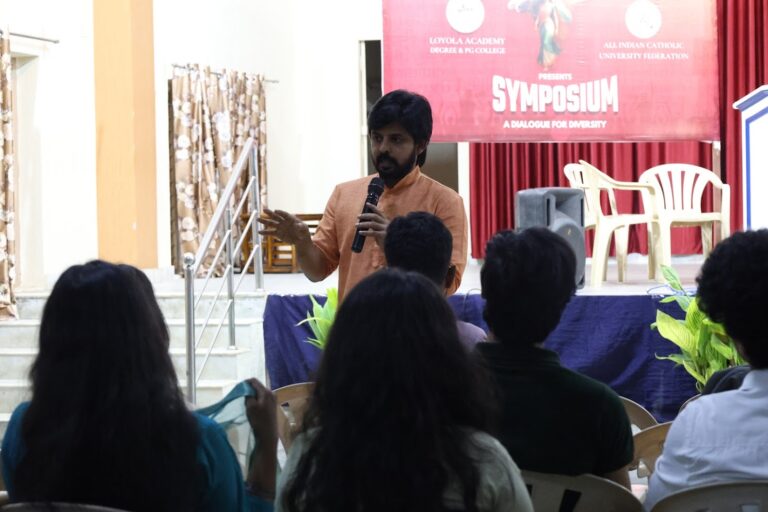
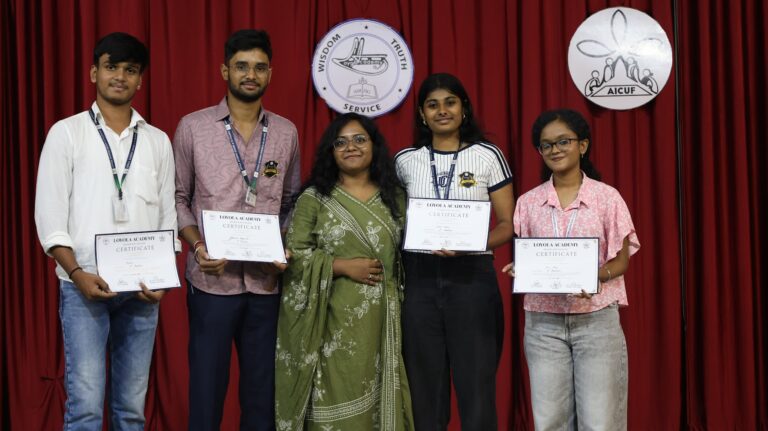
The AICUF unit of Loyola Academy began functioning as a separate student body in 2022 -2023, and has conducted events throughout the academic year, using the funds raised from these events for charitable causes.