
M.Sc. Food Technology & Management
M.Sc. Food Technology & Management — Advanced training for expert food technologists and entrepreneurs
Introduction
The Department of Food Technology and Management at Loyola Academy, Secunderabad, is a dynamic and forward-looking academic unit dedicated to excellence in teaching, research, and industry-oriented training in the field of food science and technology.
Established with the launch of the M.Sc. Food Technology and Management program in the academic year 2013–2014, the department has emerged as a pioneer in postgraduate food education in Hyderabad and the twin cities. Affiliated with Osmania University, the department is committed to nurturing competent professionals who can meet the growing demands of India's rapidly expanding food processing sector.
The department's academic framework is designed to bridge the gap between scientific knowledge and industrial application. It offers a well-structured two-year, four-semester M.Sc. program that integrates core food science disciplines with management principles. The curriculum encompasses advanced areas such as food processing engineering, food chemistry, microbiology, nutraceuticals, food safety systems, supply chain management, and emerging technologies like artificial intelligence in food quality assessment. The Choice-Based Credit System (CBCS) ensures flexibility and continuous updating of course content in line with industry needs and national policies.
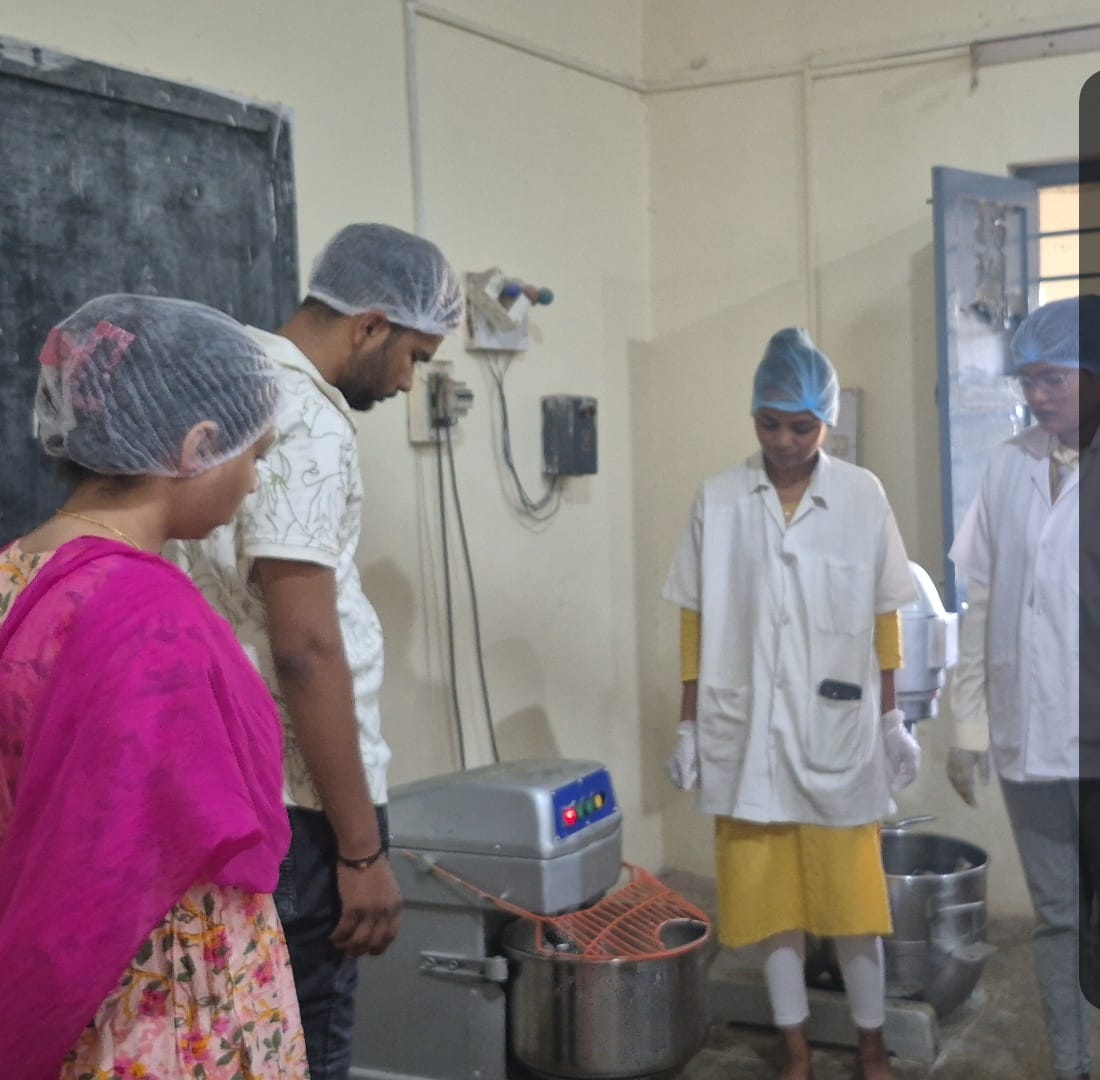
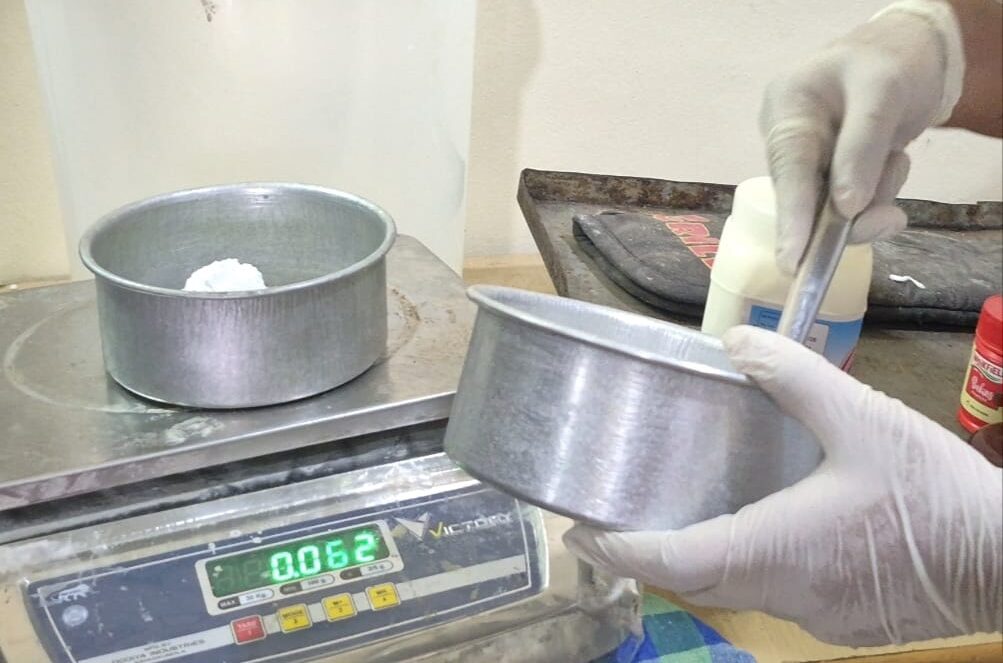
A major strength of the department lies in its strong emphasis on practical and experiential learning. It is equipped with state-of-the-art laboratories in food microbiology, food analysis, and food processing engineering, along with pilot-scale production units for baking, dairy, chocolate, ice cream, and milling operations. These facilities are supported by funding from the Ministry of Food Processing Industries (MoFPI), Government of India, and the University Grants Commission (UGC). Students gain hands-on experience in product development, quality testing, packaging, and processing techniques, preparing them for real-time industrial challenges.
The department also focuses on skill development through certified training programs such as FOSTAC, HACCP, MSME initiatives, and Internal Auditor courses. Regular industrial visits and exposure to premier research institutions such as CFTRI, ICRISAT, Vimta Labs, and Bureau Veritas enhance students' technical competencies and industry readiness. Training in advanced instrumentation, including HPLC, spectrophotometry, and microbiological analysis, further strengthens their analytical and research capabilities.
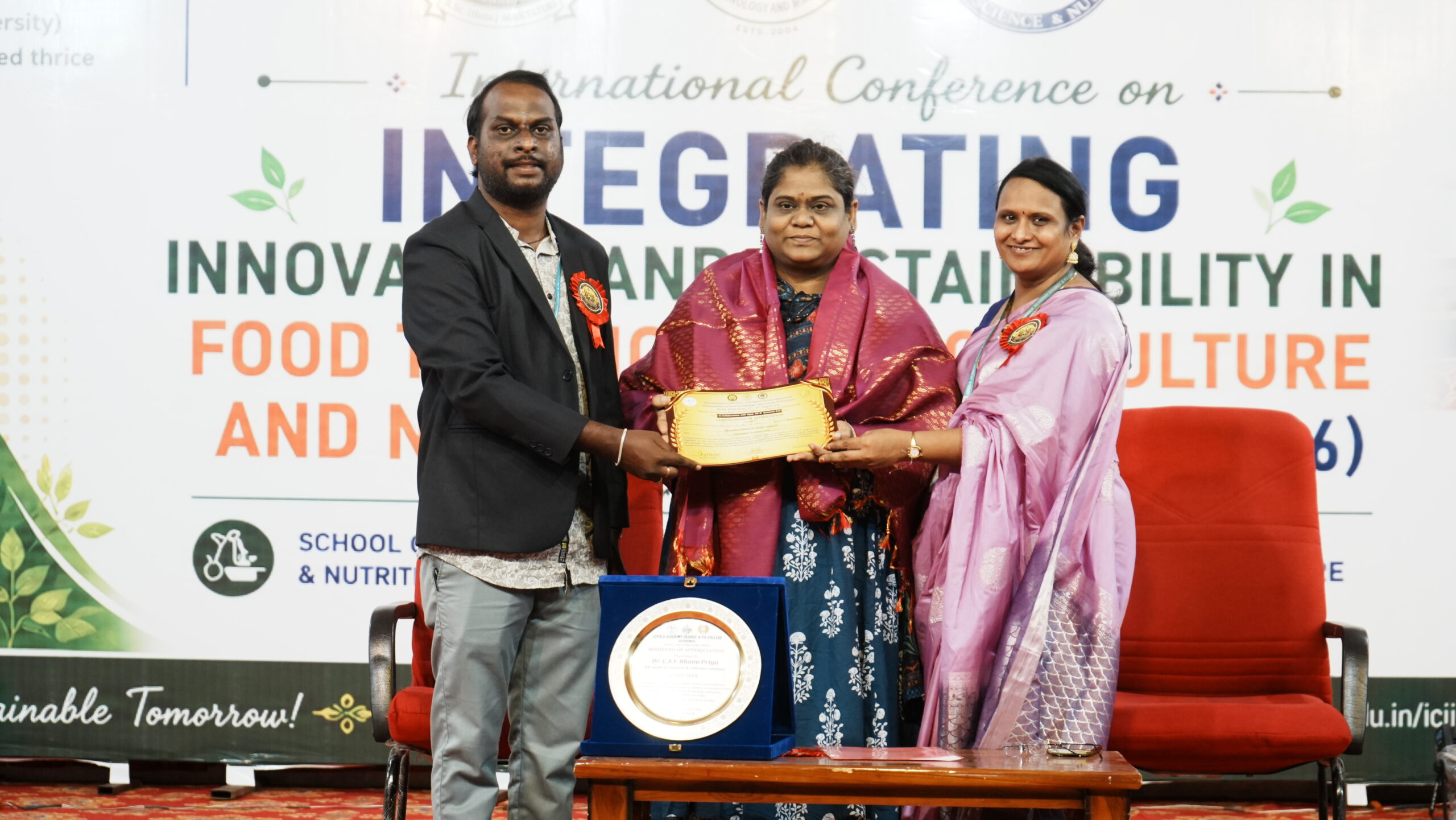
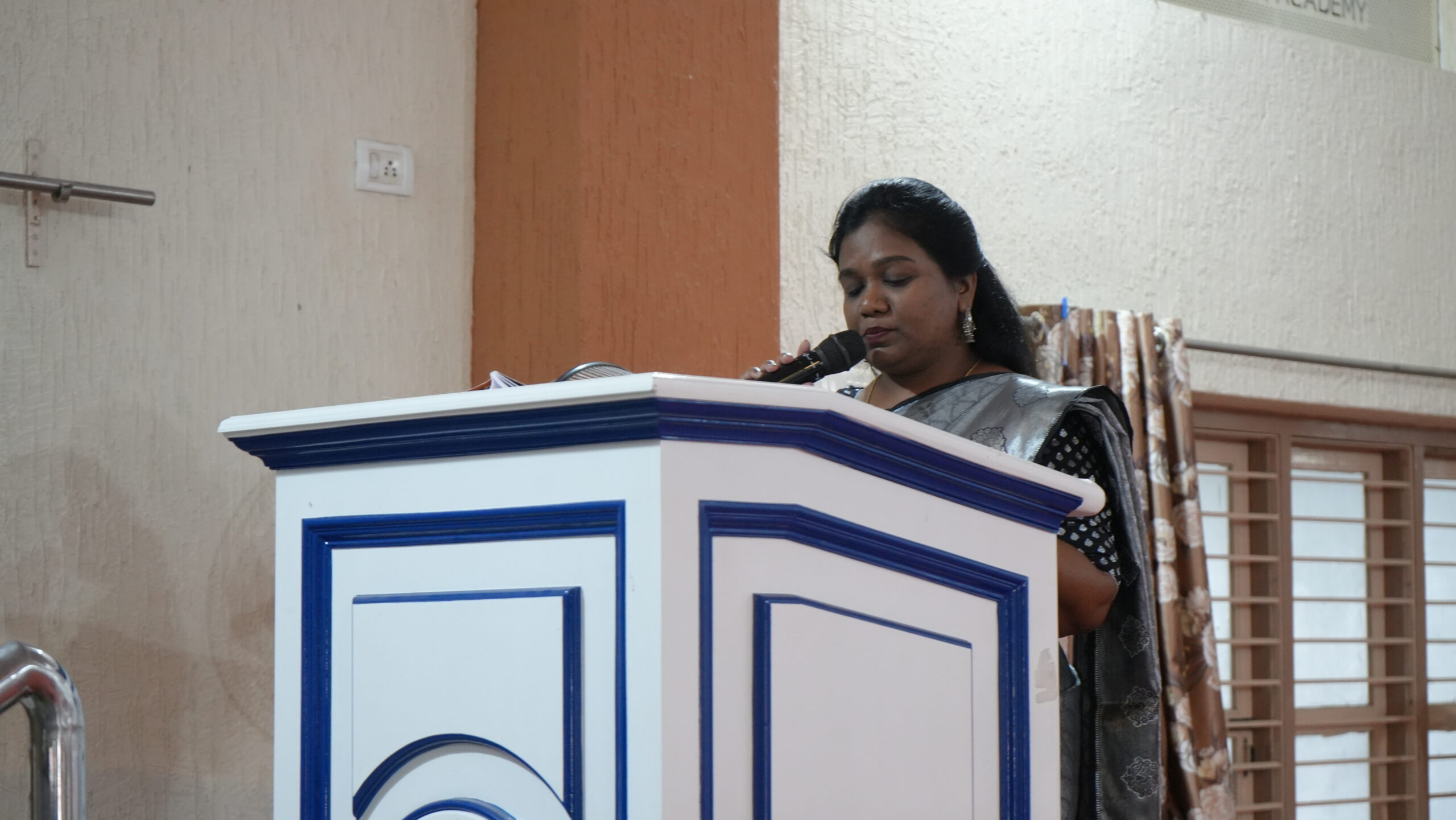
Faculty members of the department are highly qualified, experienced, and actively engaged in research and consultancy. Their contributions include publications in reputed journals, patents, and collaborations with academic and industrial organizations. The department regularly organizes seminars, workshops, and Faculty Development Programs (FDPs) on emerging topics such as AI applications in food technology, sustainability, and food safety regulations.
The department is guided by a clear vision to produce skilled technologists, researchers, and entrepreneurs who can contribute to global food security and innovation. Its mission emphasizes research-driven education, sustainable food processing, and the development of safe, nutritious, and value-added food products. These objectives are aligned with defined Program Outcomes (POs) and Program Specific Outcomes (PSOs), focusing on problem-solving, communication, technical expertise, innovation, and entrepreneurship.
Students graduating from the department are well-placed in diverse sectors such as food processing industries, quality control and assurance, R&D laboratories, auditing agencies, and regulatory bodies. Many also pursue entrepreneurial ventures in food production and services, supported by the department's innovation-driven ecosystem.
In addition to academics, the department promotes holistic development through extracurricular activities, food festivals, awareness programs in collaboration with FSSAI, and "earn while you learn" initiatives. The learning environment is student-centric, encouraging creativity, teamwork, and leadership.
In summary, the Department of Food Technology and Management at Loyola Academy stands as a center of excellence that combines academic rigor, practical exposure, and industry relevance. It plays a vital role in shaping skilled professionals equipped to contribute to the advancement of the food industry and public health, both nationally and globally.
The course provides students with opportunities for:
- Higher Studies
- Employment
- Entrepreneurship
Vision & Mission
To produce competent technologists, scientists, researchers and entrepreneurs in Food Processing Technology through quality education.
Upgrading of the scientific knowledge in the areas of food science, food processing and safety for the development of food products through quality research.
Prospectus
Explore detailed guidelines, degree requirements, learning outcomes, and career pathways for the B.B.A. programme.
Faculty Profiles
Dedicated mentors and food science specialists guiding academic and research excellence.

Dr. P. Kiran Kumari
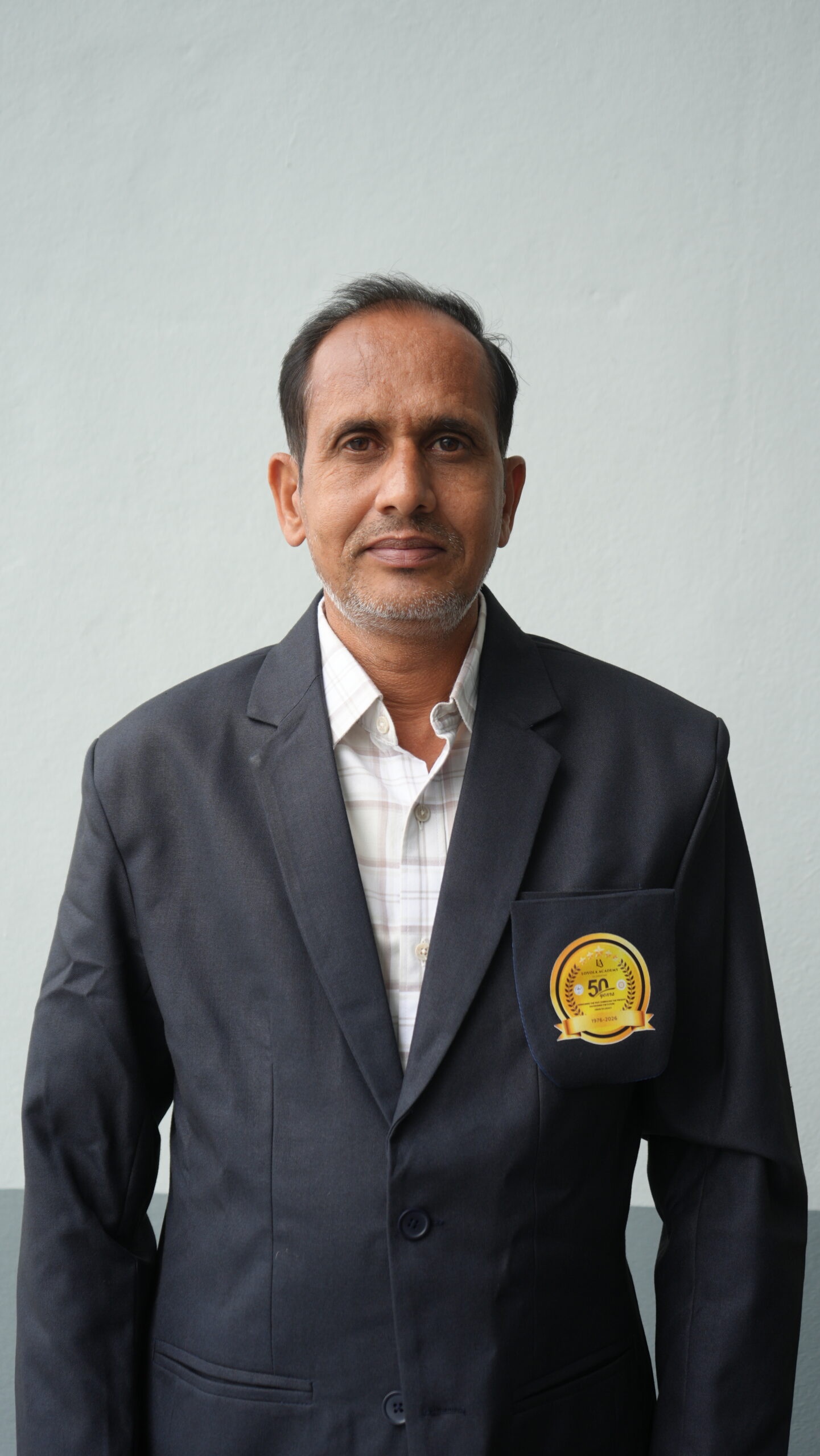
Dr. A. Ravinder
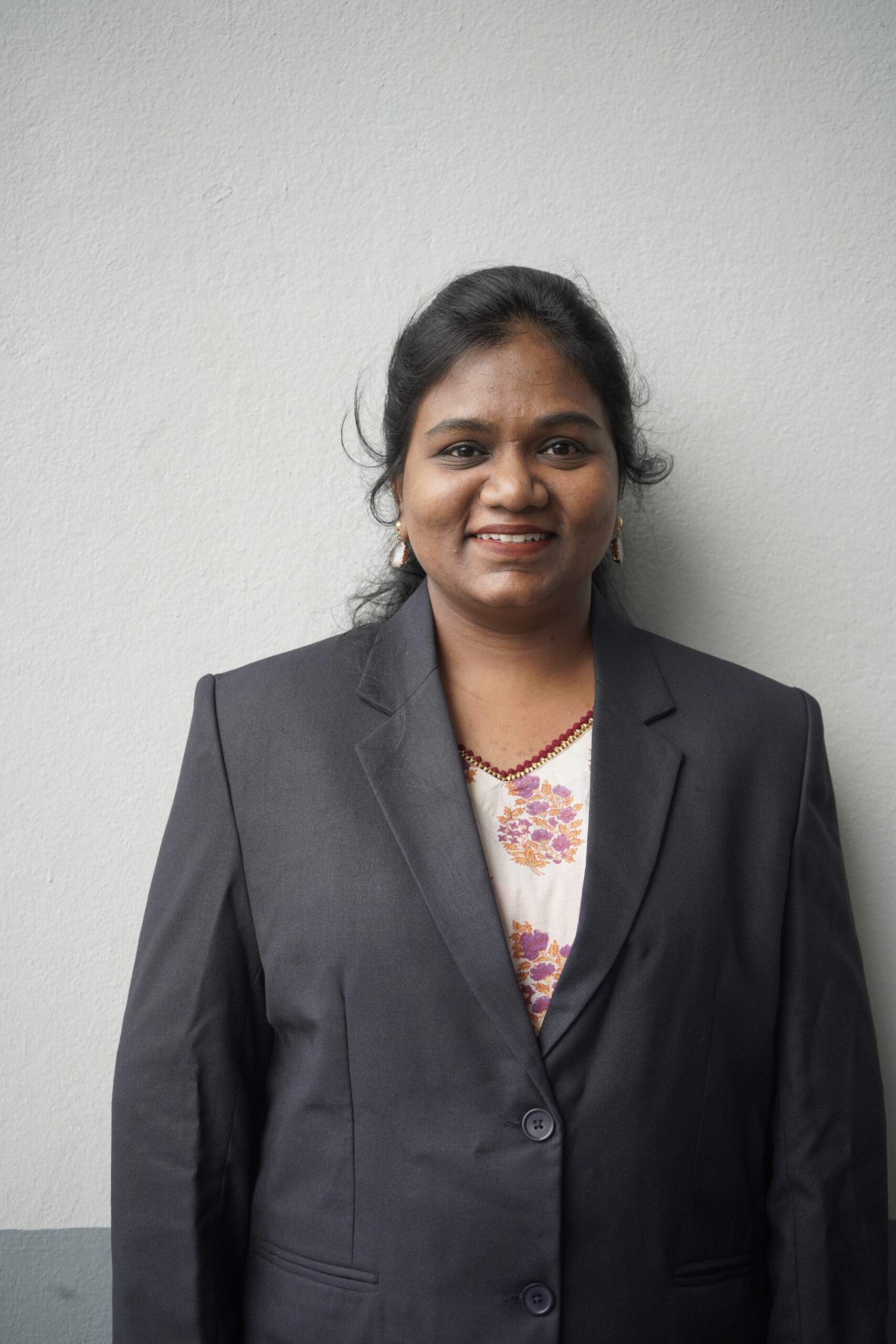
Ms. S. Jemmy Evangeline*
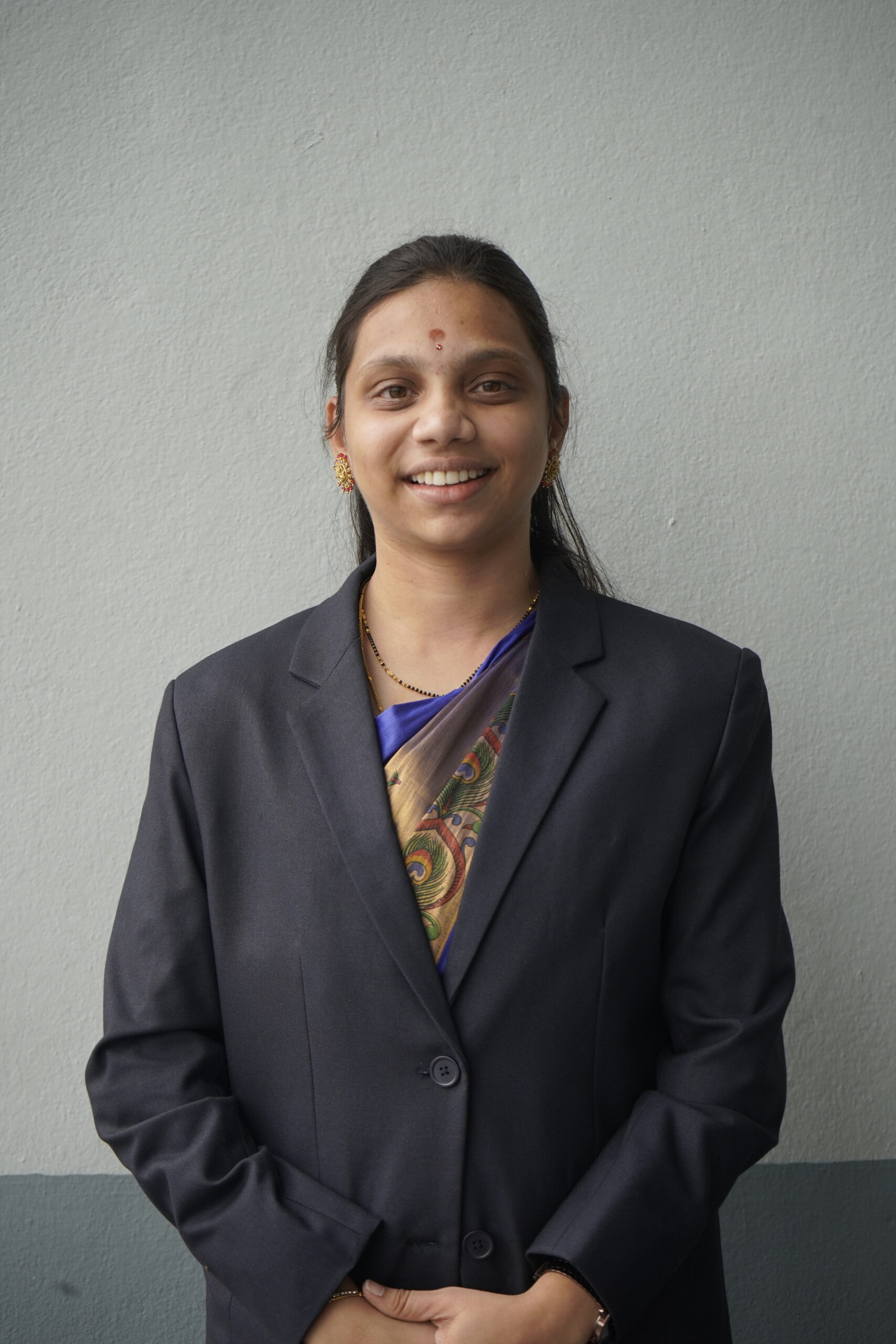
Ms. K. Tejaswini*

Ms. A. Pravalika Reddy*
Ms. Sanyasi Gayathri
Department Overview Video
Take a virtual tour of our classrooms, business labs, and student activity spaces.
Consolidated Scheme & Syllabus
View or download the official credit distribution scheme and complete semester-wise course syllabus documents.
Department Gallery
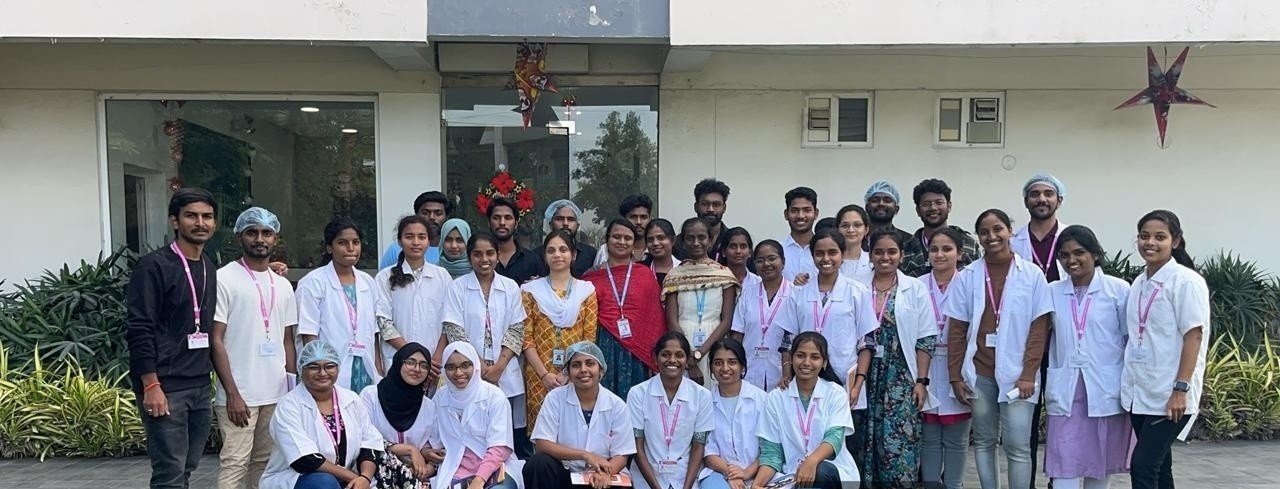
Glimpses of seminars, workshops, and student activities.